How Food and Beverage Programs Support Workplace Culture

June 26, 2026

Workplace culture is often associated with leadership, communication, company values, and employee engagement. While those factors certainly play important roles, culture is also shaped by everyday experiences. Small interactions, daily routines, and shared spaces contribute significantly to how employees feel about their workplace.


One area that is frequently overlooked is access to food and beverages. Vending services, micro markets, office coffee programs, and pantry services may seem like simple conveniences, but they can have a meaningful impact on workplace culture. By making the workday more comfortable and convenient, these programs help create an environment where employees feel supported and valued.


Culture Is Built Through Daily Experiences

Workplace culture does not develop through occasional events alone.


Employees form impressions of their work environment every day through their interactions with colleagues, supervisors, and the physical workplace itself. The small details often matter more than organizations realize.


Simple conveniences such as easy access to snacks, beverages, coffee, and fresh food options can influence how employees experience their workday. When basic needs are easy to meet, employees can spend less time worrying about logistics and more time focusing on their responsibilities.


These seemingly minor improvements often contribute to a more positive workplace atmosphere.

Several white cups and water bottles on a round table against a plain wall

Encouraging Breaks and Social Interaction

Breakrooms have long served as gathering spaces within the workplace.


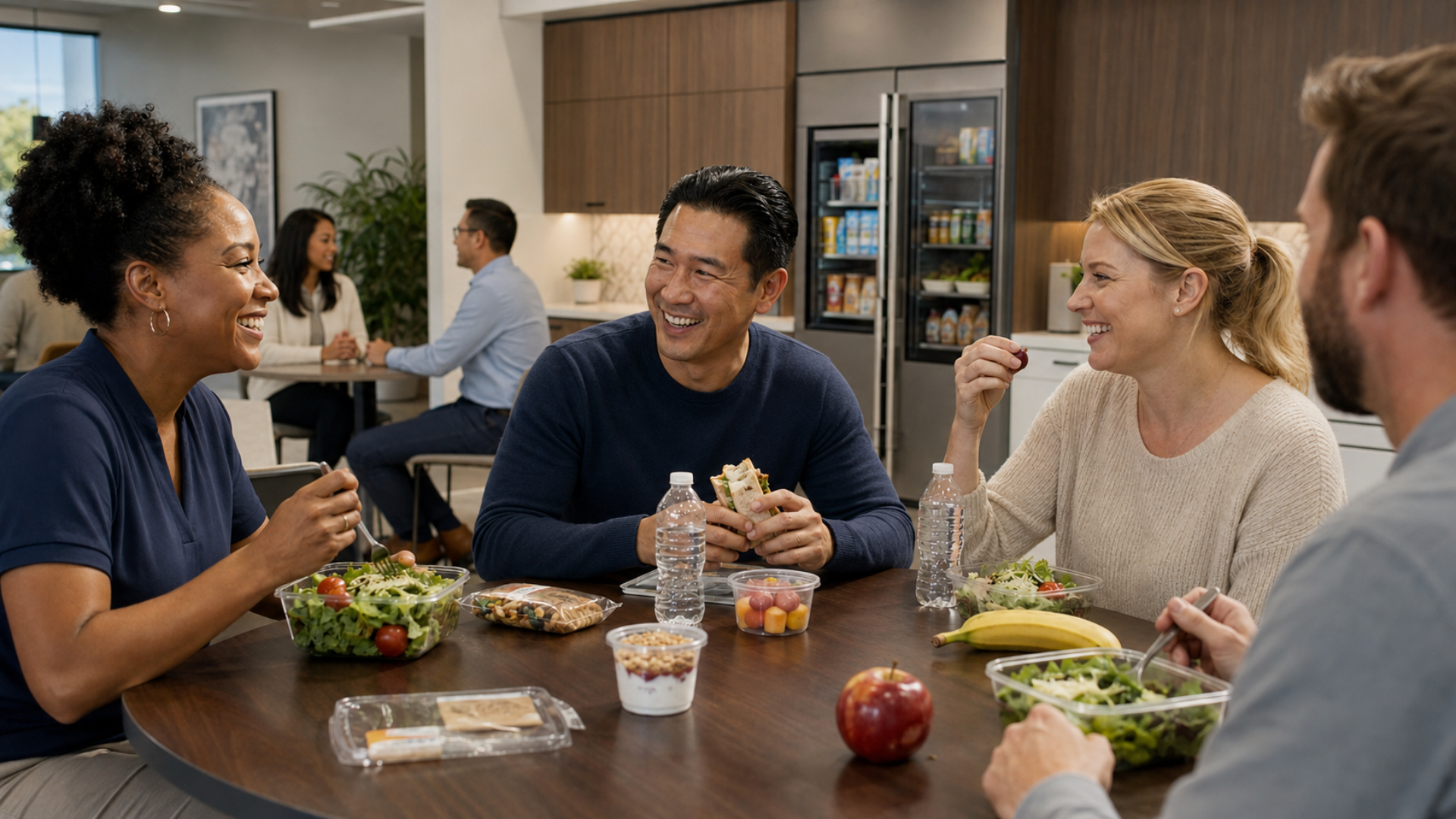
Employees from different departments frequently interact while grabbing coffee, purchasing a snack, or taking a lunch break. These informal conversations help build relationships that may not occur during structured meetings or daily work activities.


Food and beverage programs support these interactions by creating spaces where employees naturally come together.


Over time, these casual connections can strengthen teamwork, improve communication, and contribute to a stronger sense of community within the organization.
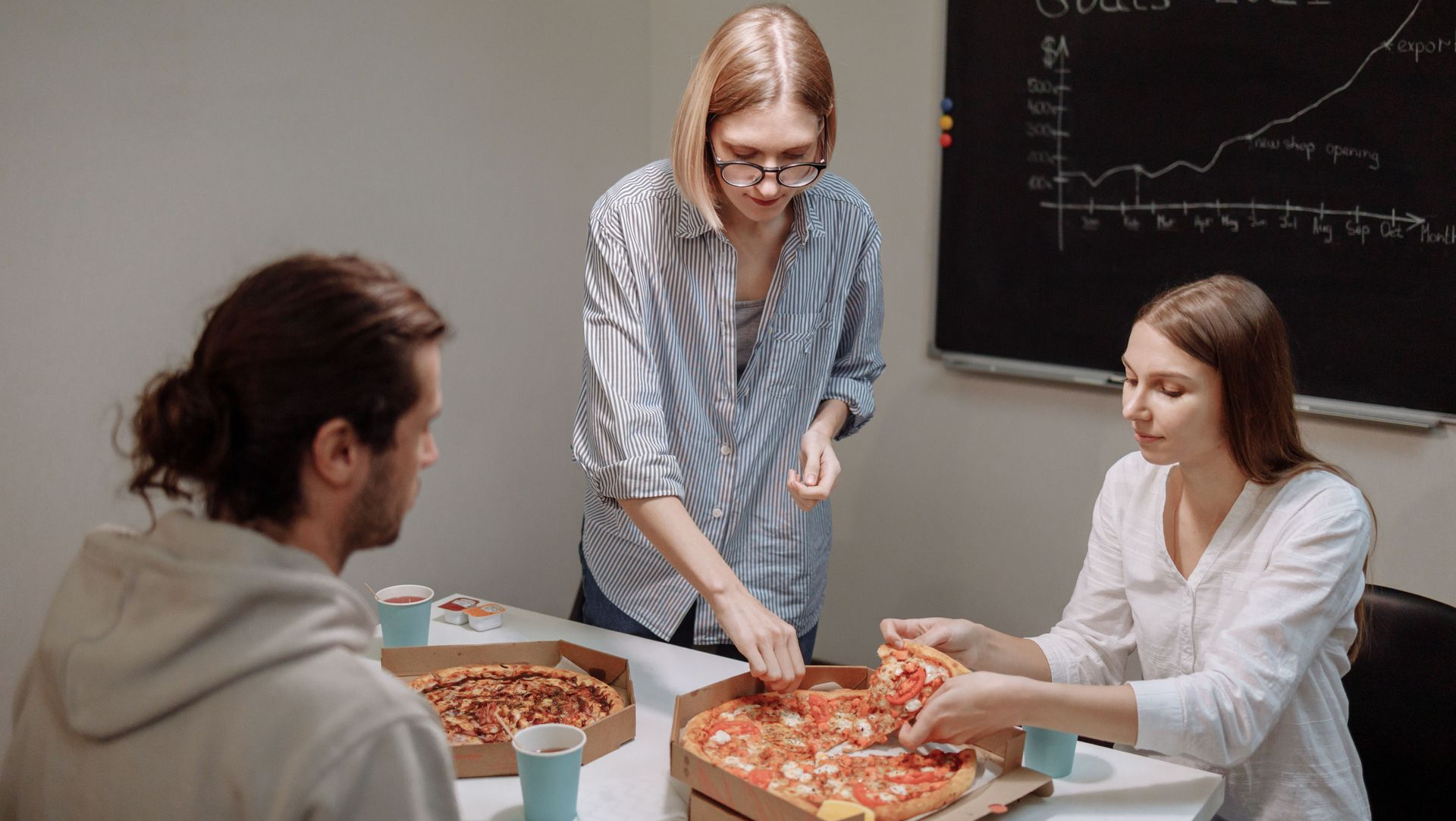
Three people sharing pizza at a table in a meeting room with a goals chart on the wall

Supporting Employee Convenience

Modern workplaces are often fast-paced.


Employees may have limited time to leave the office for food, coffee, or refreshments during the day. On-site food and beverage options provide convenient access to products employees need without requiring additional travel or disruptions to their schedules.


Whether through vending machines, micro markets, office coffee services, or pantry programs, convenient access helps simplify the workday. Employees often appreciate organizations that make everyday tasks easier and more efficient.


Demonstrating Investment in Employees

Workplace amenities can send an important message.


Providing access to quality refreshments demonstrates that an organization recognizes the needs of its workforce and is willing to invest in employee comfort. While food and beverage programs are not substitutes for strong leadership or competitive compensation, they can contribute to a broader culture of support and appreciation.


Employees often notice when employers make thoughtful decisions that improve their daily experience. Those efforts can help reinforce positive perceptions of the workplace.
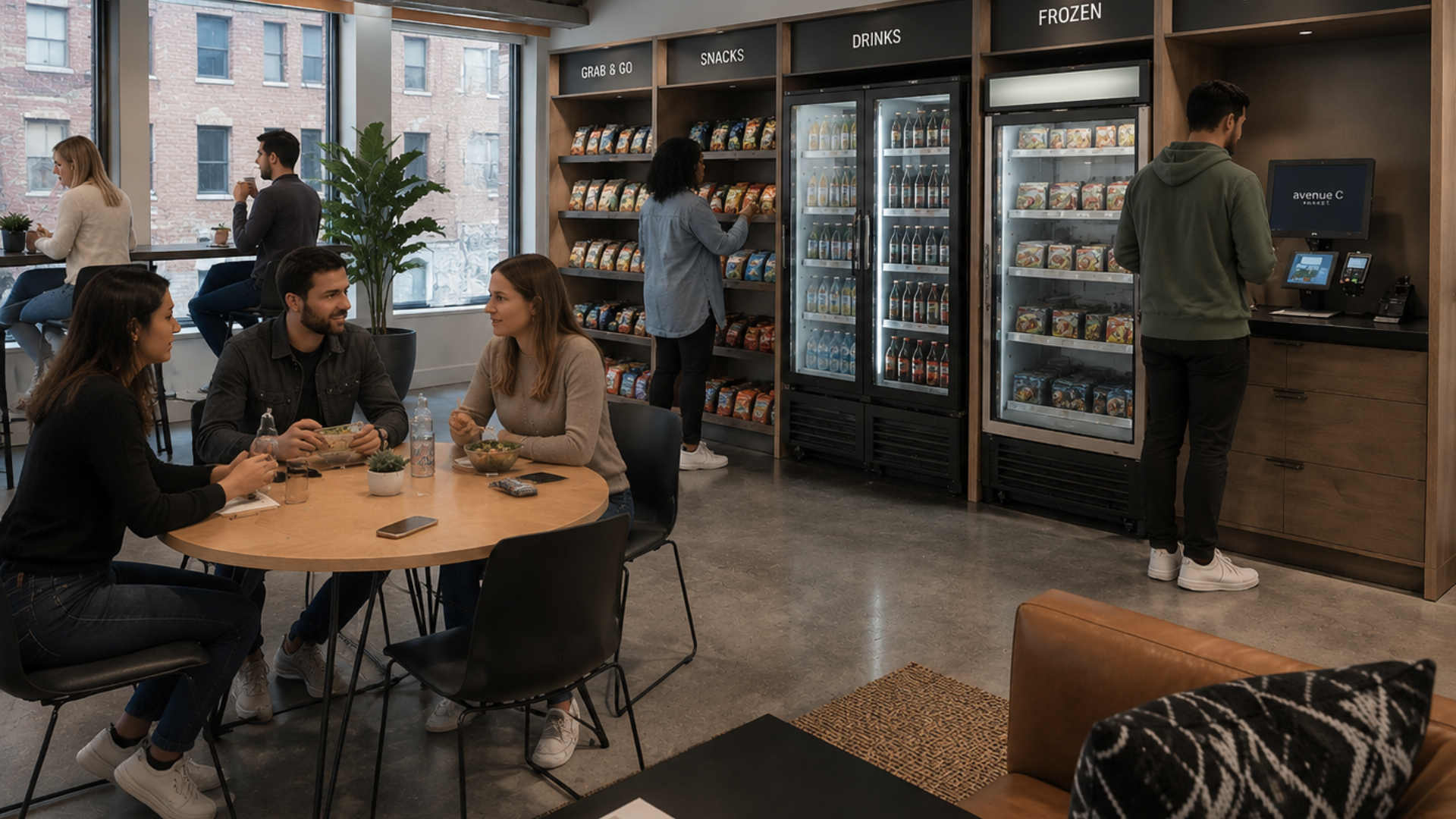
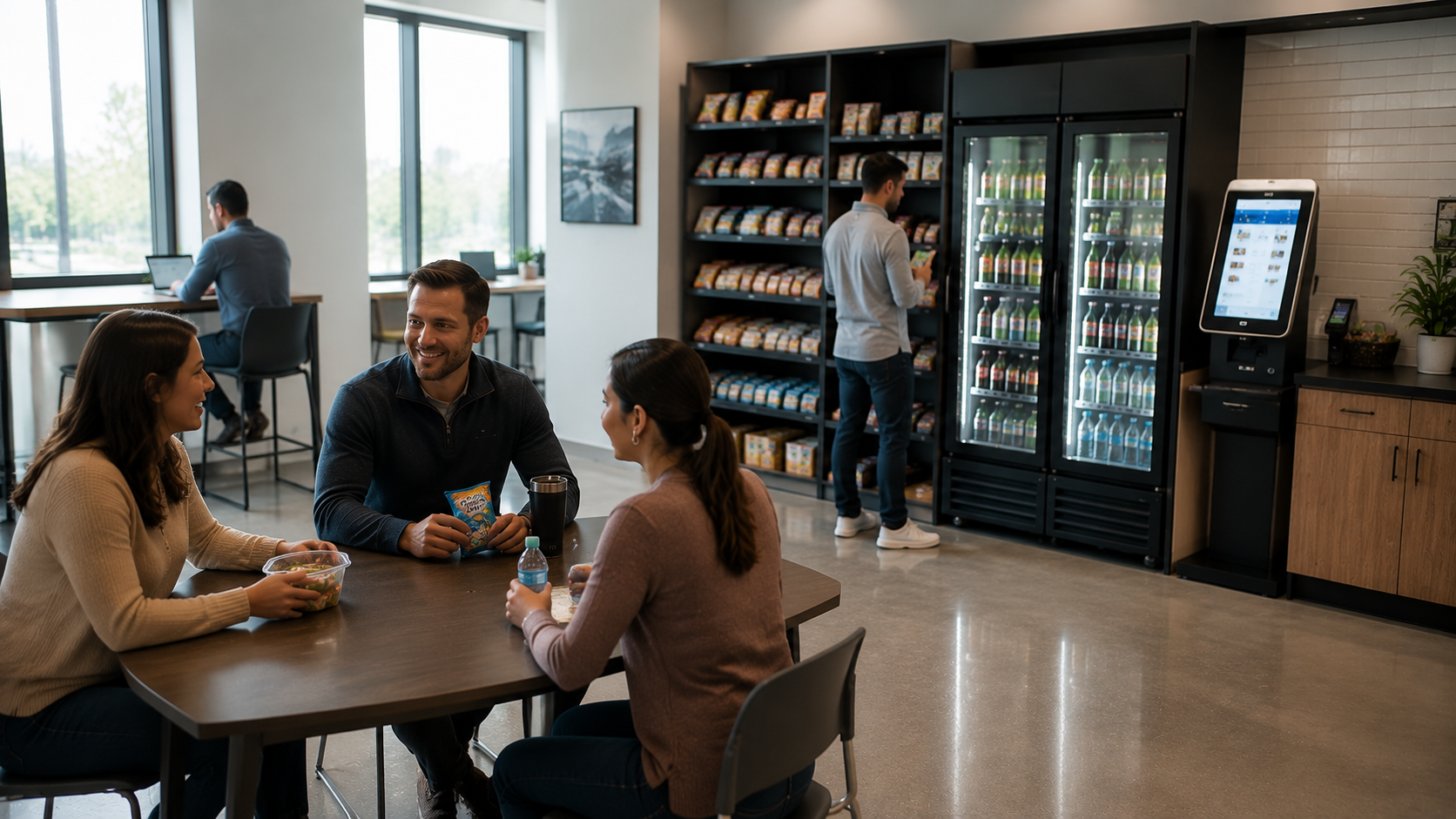
People chatting at a café table, with vending machines and a person at a counter in the background.

Supporting Different Preferences

Today’s workforce is diverse, and employee preferences vary widely.


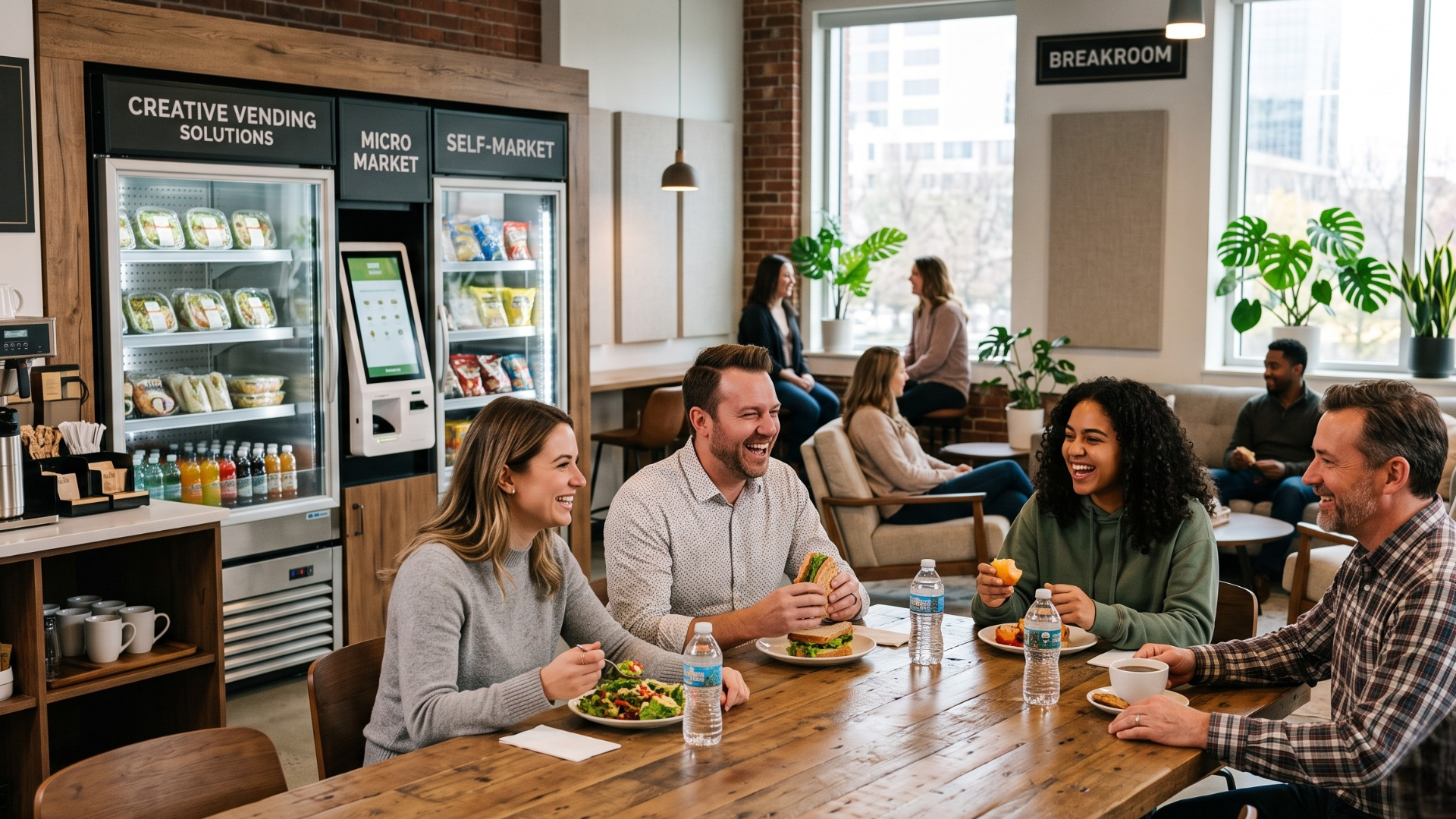
Some employees want coffee. Others prefer tea, energy drinks, bottled water, healthy snacks, or fresh meal options. Modern food and beverage programs offer greater variety than ever before, allowing organizations to accommodate a wider range of tastes and dietary preferences.


This flexibility helps create a more inclusive environment where employees can find options that fit their individual needs. Offering choice is another way organizations demonstrate responsiveness to their workforce.


Creating More Welcoming Work Environments

Food and beverage programs can also influence how a workplace feels.


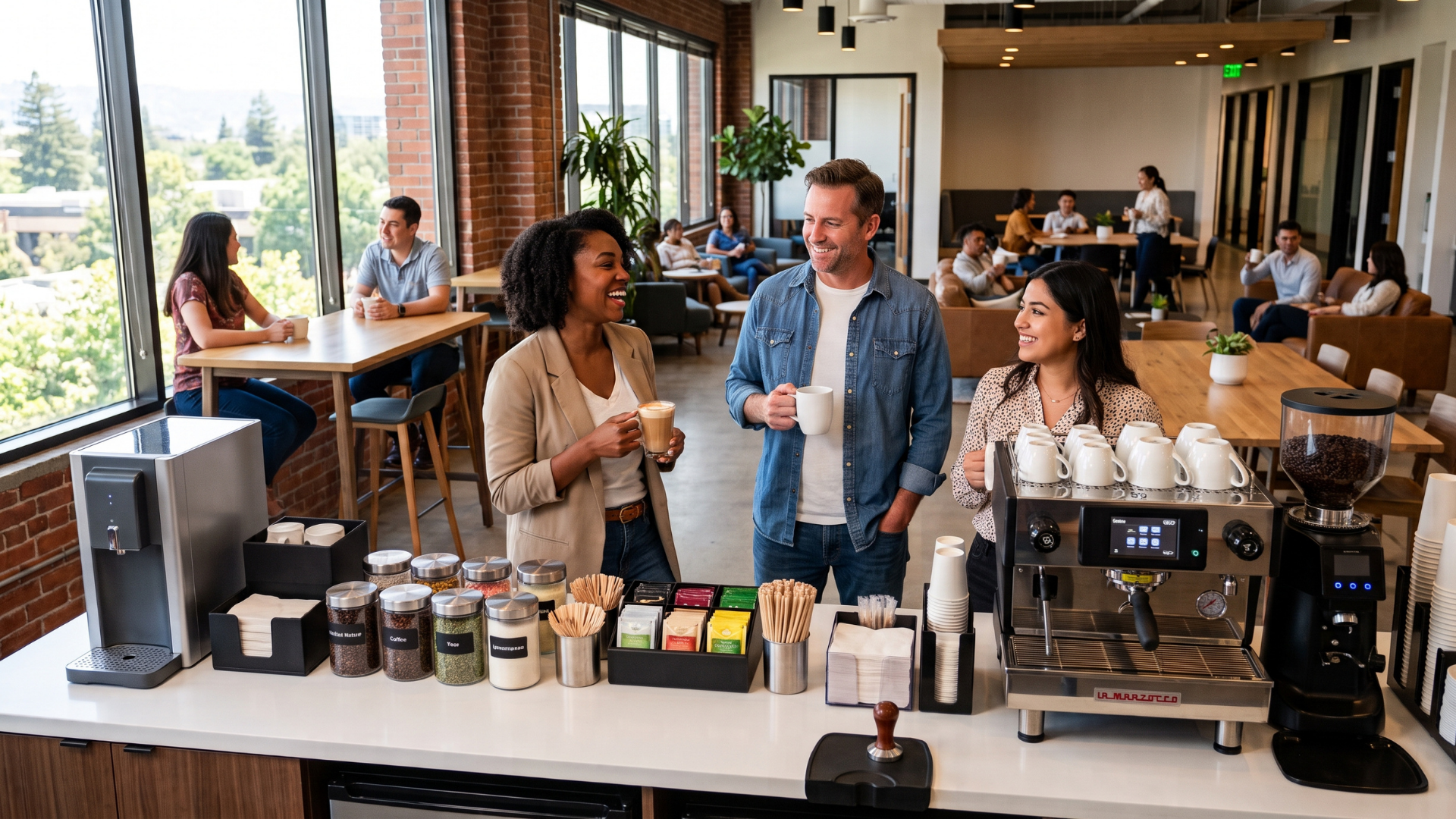
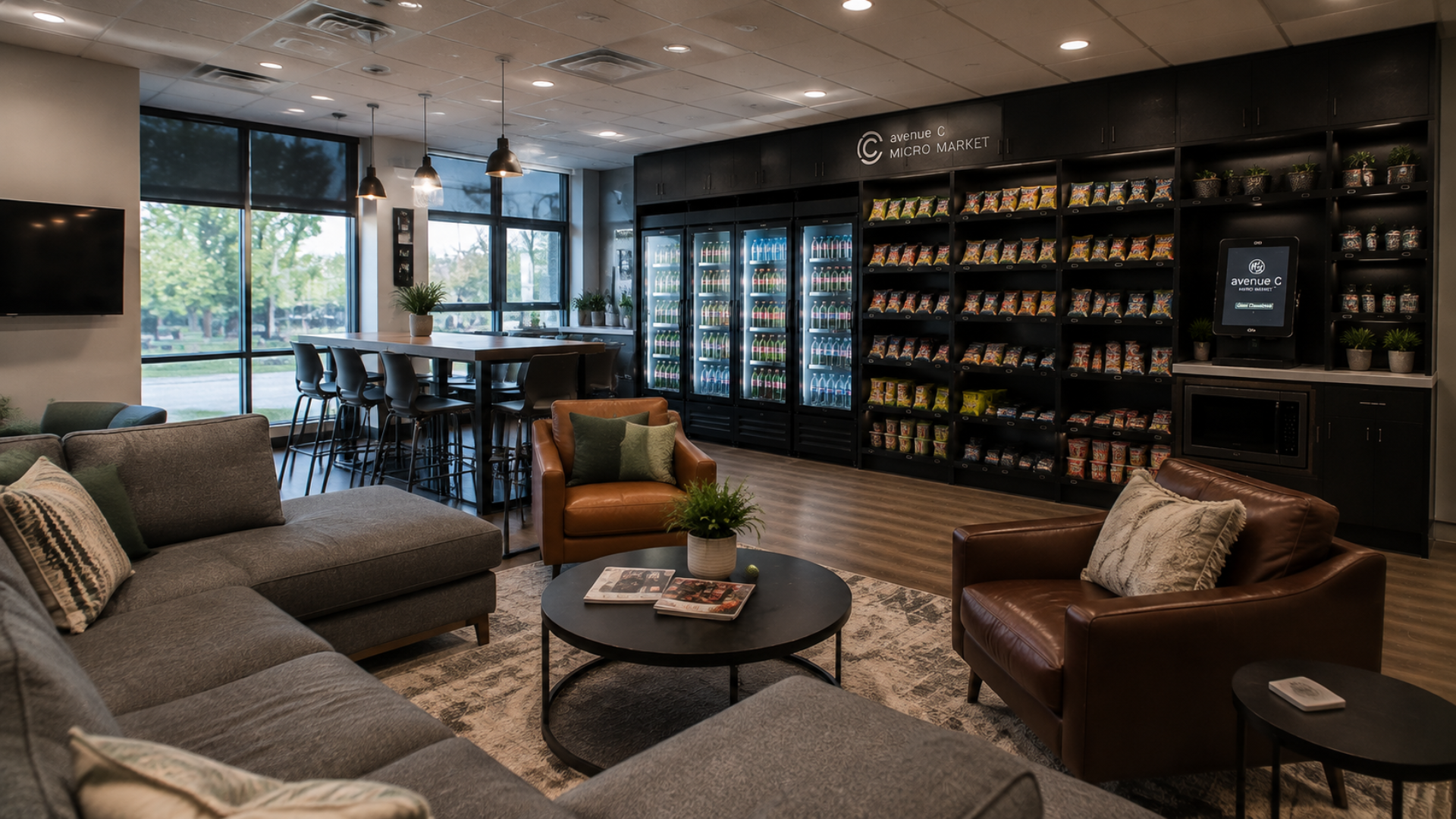
A well-stocked breakroom, modern coffee station, or thoughtfully designed micro market contributes to a more inviting atmosphere. These spaces often become gathering points that enhance the overall employee experience.


When employees enjoy spending time in common areas, it can positively affect morale and workplace satisfaction. Comfortable, welcoming spaces support a workplace culture that values both productivity and employee well-being.
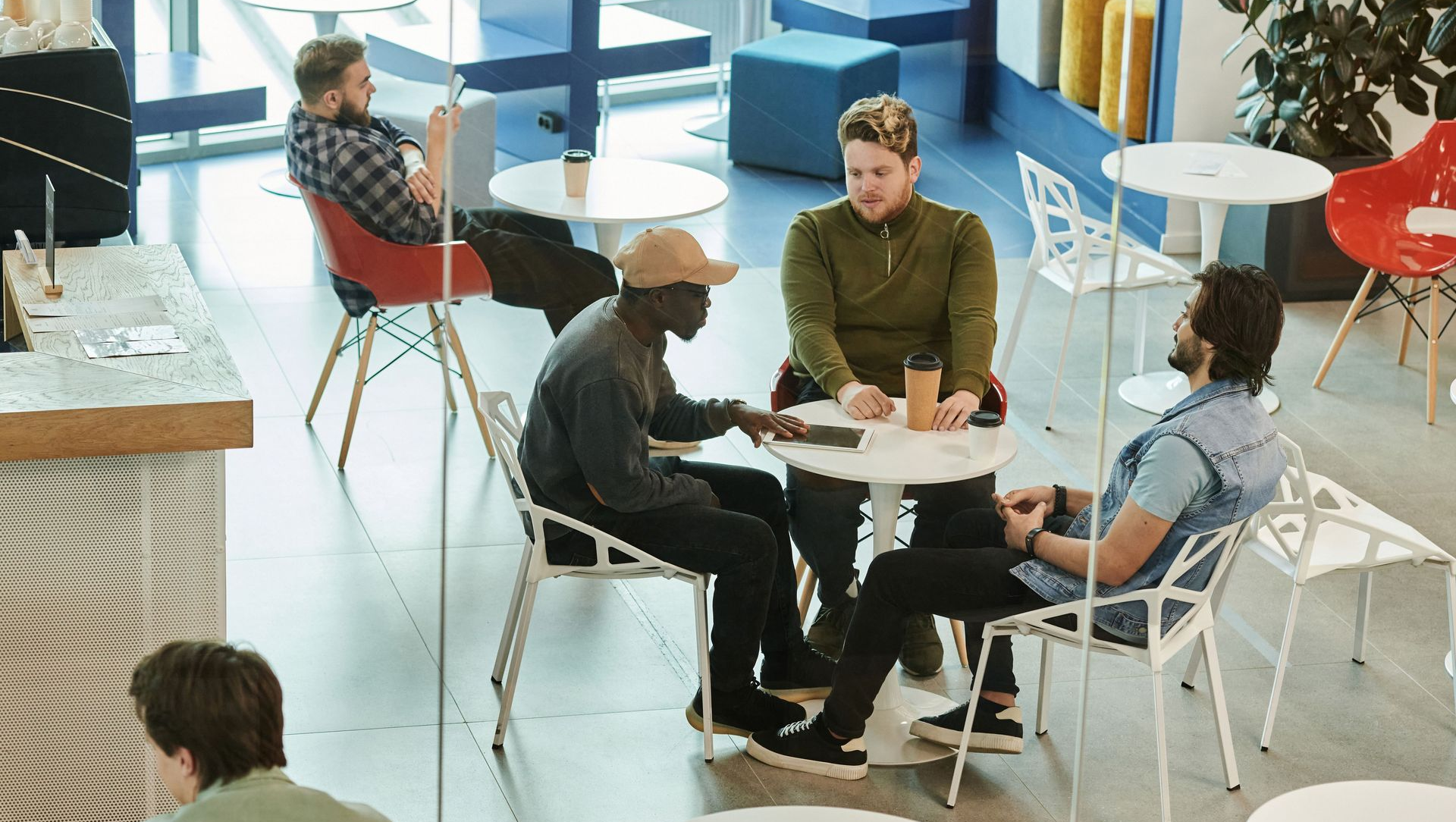
People sitting around a small table in a bright modern office lounge

A Small Investment With Broad Impact

Workplace culture is shaped by many factors, and food and beverage programs are only one piece of the puzzle. However, they are often a highly visible piece that employees interact with every day.


Creative Vending Solution helps organizations enhance workplace culture through customized vending services, micro markets, office coffee programs, and pantry solutions. By providing convenient access to refreshments and creating better workplace experiences, businesses can support employee satisfaction while improving the overall work environment.


Strong workplace cultures are built through countless daily interactions. Food and beverage programs may seem simple, but they often play a meaningful role in creating workplaces where employees feel comfortable, supported, and appreciated.
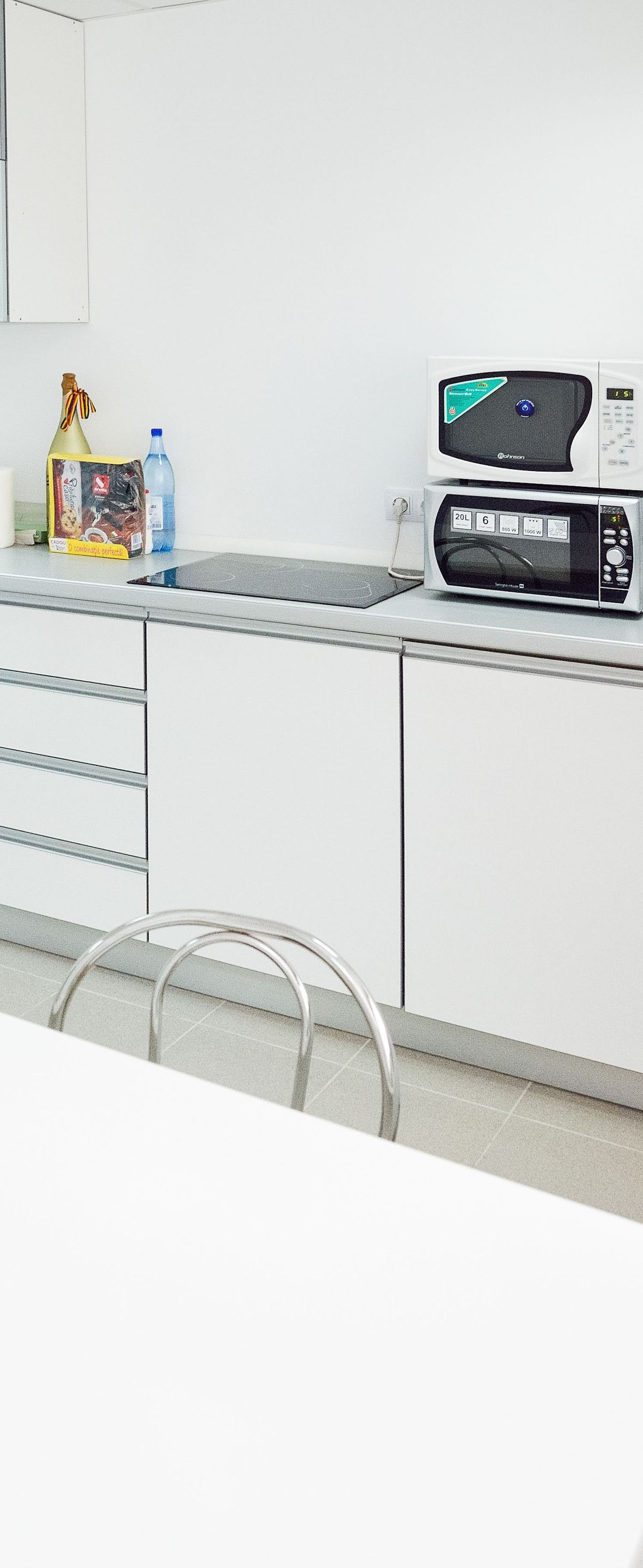
Bright white kitchen counter with sink, cabinets, dishes, and a microwave on the right.
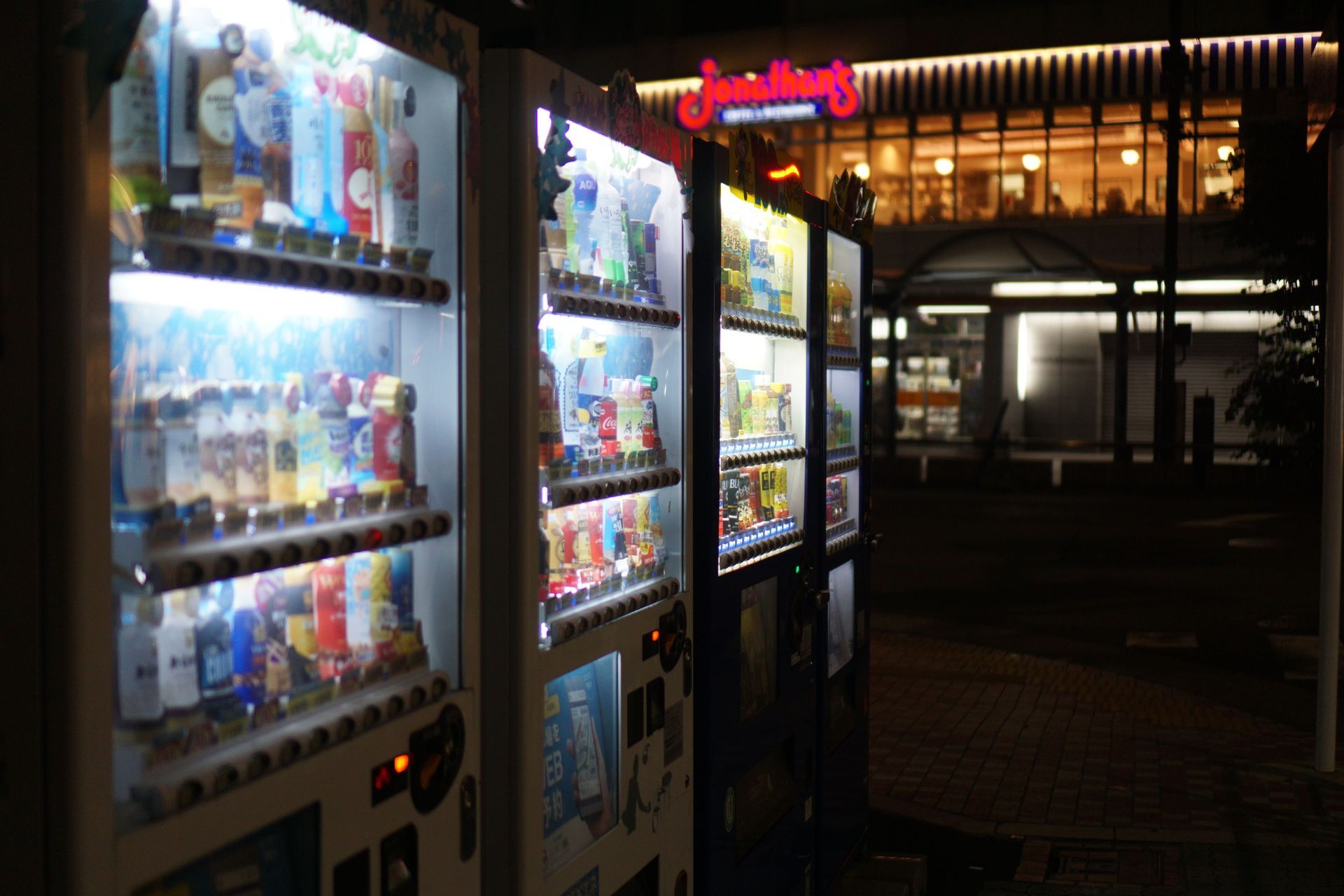
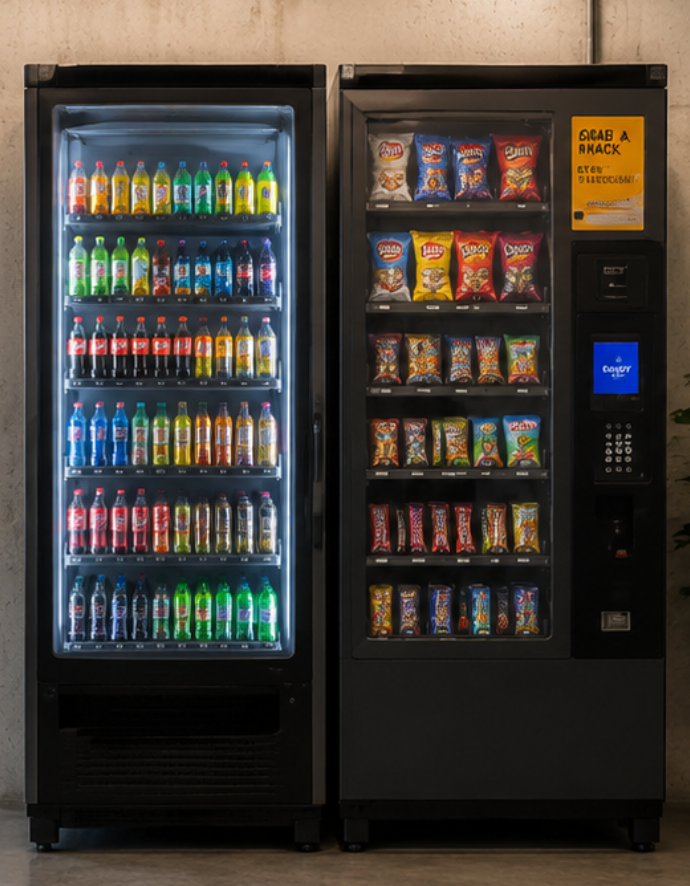
Two vending machines, one with drinks and one with snacks, against a concrete wall in a dim room
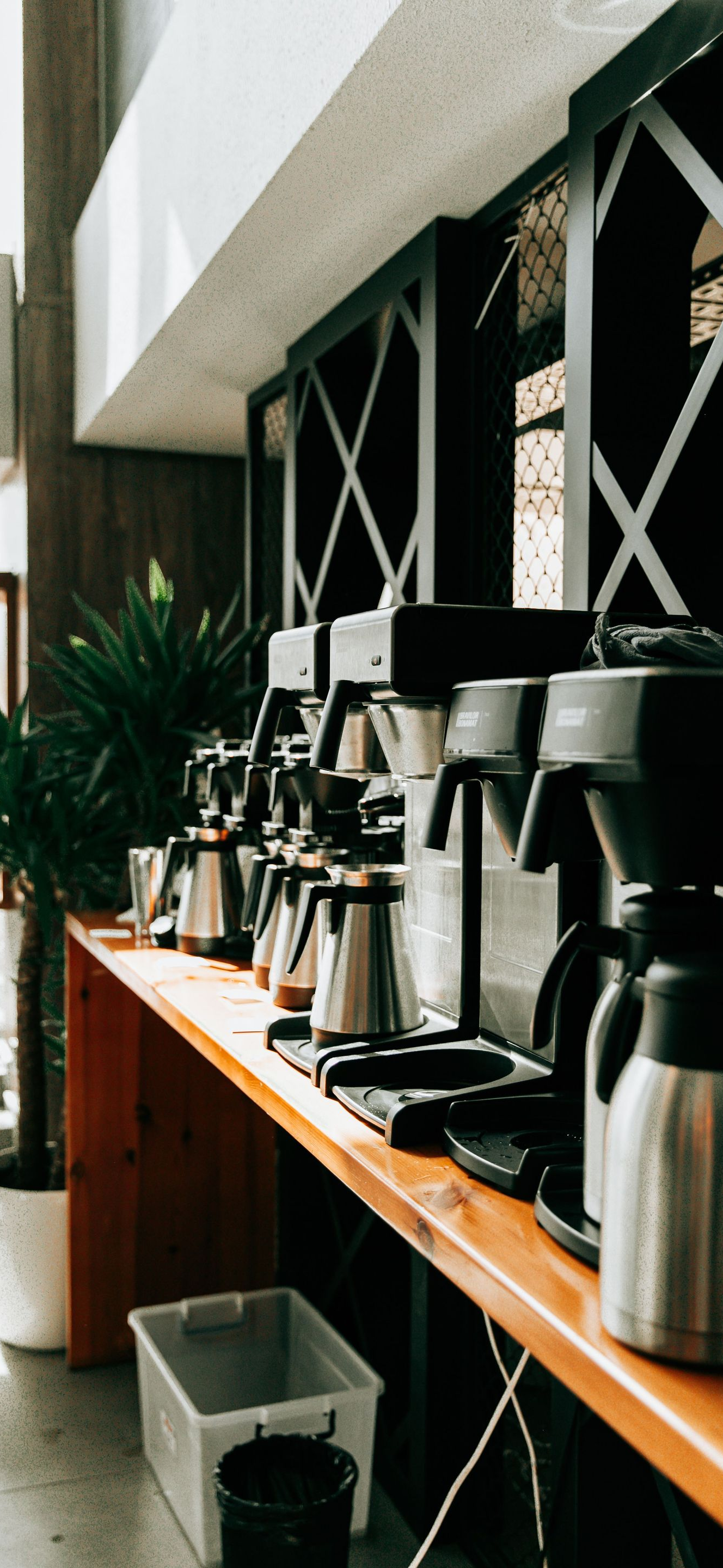
Coffee station with several silver brewers and cups on a wooden shelf by a window.
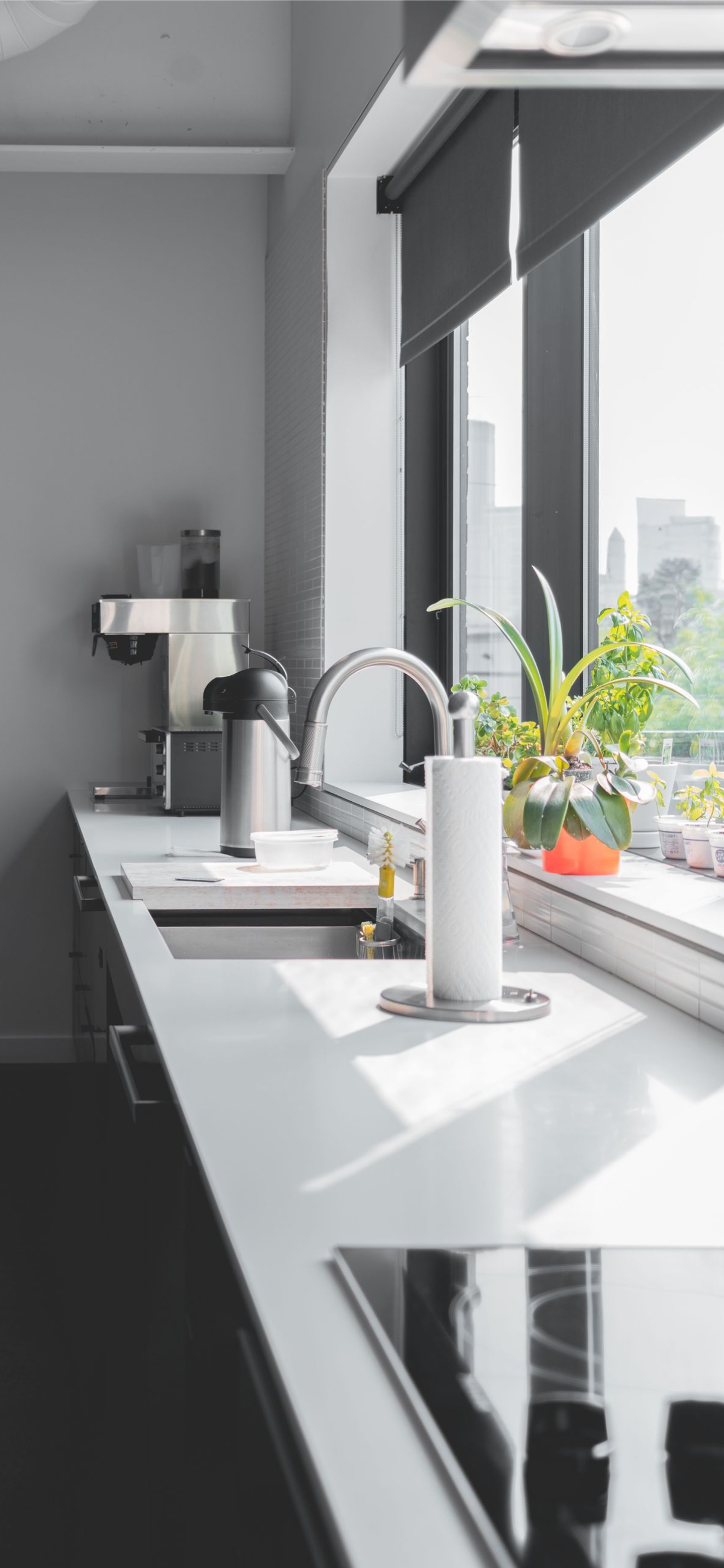
Modern kitchen counter by large window with sink, plants, and city view
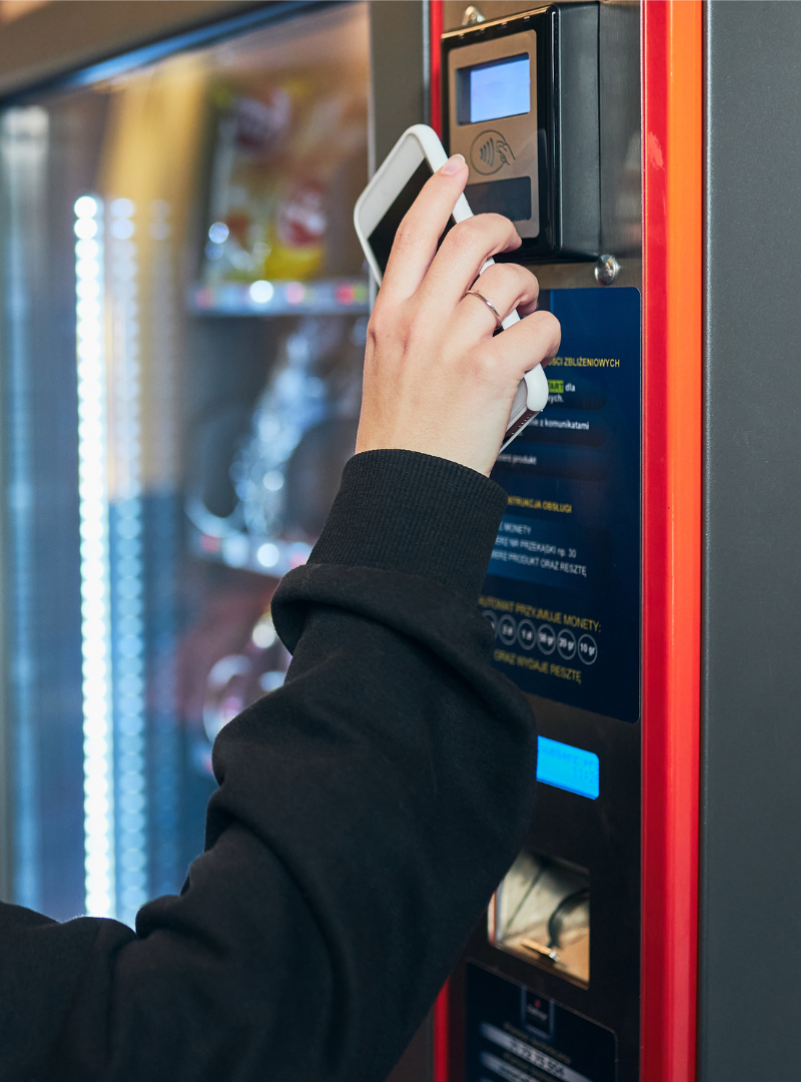
Person using a card at a vending machine payment terminal
June 18, 2026
When businesses evaluate workplace improvements, breakrooms are not always at the top of the list. Many organizations naturally focus on technology, equipment, office layouts, and other operational priorities. While those investments are important, the breakroom often plays a larger role in the employee experience than many employers realize.  A well-designed breakroom is more than a place to grab a snack or a cup of coffee. It can influence workplace satisfaction, support employee engagement, encourage collaboration, and contribute to a more positive work environment. As a result, investments in workplace refreshment programs frequently produce benefits that extend far beyond food and beverages. Employees Notice Everyday Conveniences Many workplace amenities are appreciated occasionally. Breakrooms, however, tend to be used every day. Employees notice whether they have convenient access to snacks, beverages, coffee, and fresh food options. They notice whether the space is comfortable, welcoming, and easy to use. These daily interactions shape their overall impression of the workplace. Because breakrooms are part of the everyday employee experience , improvements in this area often have a broader impact than employers initially expect.
June 10, 2026
Workplace trends have changed dramatically over the years. Offices have adopted new technologies, embraced flexible work arrangements, and redesigned spaces to support collaboration and productivity. Yet one workplace tradition has remained remarkably consistent throughout these changes: coffee.  For many employees, the workday begins with a cup of coffee. For others, coffee provides an opportunity to take a short break, connect with coworkers, or recharge during a busy afternoon. While countless workplace amenities have come and gone, coffee continues to occupy a central role in offices across the country. There is a reason coffee remains one of the most valued features of a workplace breakroom. Coffee Is Part of the Daily Routine Many employees incorporate coffee into their morning routine long before they arrive at work. Once in the office, convenient access to coffee helps maintain that routine without requiring employees to leave the building or make additional stops during the day. Because coffee is already part of daily life for so many people, offering it in the workplace creates a natural benefit that employees use and appreciate on a regular basis. Unlike some workplace perks that may only be used occasionally, coffee tends to be woven directly into the workday.
June 5, 2026
The modern workplace looks much different than it did a decade ago. Employee expectations have evolved, workplace amenities have expanded, and businesses are placing greater emphasis on creating environments that support productivity, satisfaction, and convenience. One of the most significant developments in workplace refreshment services has been the rise of the micro market .  While traditional vending machines remain valuable in many settings, micro markets offer a different approach that gives employees more choices and greater flexibility throughout the workday. As a result, businesses across a wide range of industries are incorporating micro markets into their workplace environments.
May 31, 2026
Businesses today have more choices than ever when selecting service providers, vendors, and operational partners. While pricing and product quality remain important considerations, many companies are also paying closer attention to the values, professionalism, and reliability behind the businesses they choose to work with. One factor that often carries significant meaning is veteran ownership. At Creative Vending Solution, we are proud to operate as a veteran-owned business . Military experience shapes the way many veteran-owned companies approach customer service, accountability, organization, and long-term business relationships. For clients seeking dependable workplace vending and convenience solutions, those qualities often make a meaningful difference. Veteran-Owned Businesses Often Emphasize Accountability Military service places a strong emphasis on responsibility, consistency, and follow-through . Veterans are trained to operate in structured environments where reliability matters and commitments are expected to be taken seriously. Those habits frequently continue into business ownership.  For customers and business partners, this often translates into: Clear communication Reliable scheduling Professional conduct Strong attention to detail Consistent service standards In industries where dependable operational support matters, accountability can become just as valuable as the products or services themselves.
May 21, 2026
Modern vending services have changed significantly over the past several years. Vending machines are no longer simple standalone units stocked manually on fixed schedules. Today’s systems increasingly rely on smart technology that helps improve product availability, service efficiency, and overall user experience. One of the most important advancements in modern vending management is real-time inventory tracking. At Creative Vending Solution, we use modern vending technology to help businesses provide more reliable and efficient convenience services for employees, visitors, and customers. Real-time inventory monitoring plays a major role in that process. What Is Real-Time Inventory Tracking? Real-time inventory tracking allows vending operators to monitor product levels inside machines remotely through connected software systems. Instead of relying only on scheduled physical inspections, operators can view inventory status digitally and respond more quickly when products begin running low. These systems often track: Product quantities Purchasing patterns High-demand items Machine activity Restocking needs  This information helps vending providers make faster and more accurate service decisions.
May 15, 2026
Cashless payment has become a normal part of everyday life. People use cards, mobile wallets, and contactless payment systems for everything from groceries to coffee purchases. As these habits have become more common, expectations inside the workplace have changed as well. Employees increasingly expect the same level of convenience at work that they experience everywhere else. This shift is especially noticeable in breakrooms and vending areas, where traditional cash-only systems no longer align with how most people prefer to make purchases. At Creative Vending Solution, we see firsthand how cashless technology has changed employee expectations and improved the overall workplace experience. Everyday Habits Influence Workplace Expectations Modern consumers rarely carry large amounts of cash. Many people rely almost entirely on debit cards, credit cards, and mobile payment apps throughout the day. Because these payment methods have become routine outside the workplace, employees naturally expect similar convenience inside the workplace as well. When vending machines only accept cash, the experience immediately feels outdated and less accessible. Employees may skip purchases simply because they do not have cash available at the moment. Cashless systems remove that barrier and make workplace convenience services easier to use consistently.
May 6, 2026
Providing food and beverage access in the workplace may seem straightforward at first. Many businesses begin with the idea of managing vending or breakroom supplies internally, assuming it offers more control or flexibility. Over time, however, the realities of day-to-day management often reveal a different picture. Maintaining a consistent, reliable vending setup requires more time, coordination, and oversight than most organizations anticipate. For many workplaces, outsourcing vending services becomes the more practical and efficient solution. The Complexity Behind a Simple Service At a glance, vending appears simple. Machines are installed, stocked, and used by employees as needed. In practice, each of these steps involves ongoing attention. Products must be selected, inventory must be tracked , machines must be maintained, and issues must be addressed quickly. When handled internally, these responsibilities often fall to staff who already have other primary roles. This can lead to inconsistencies, delays, and added pressure on internal resources. What begins as a small task can gradually expand into a time-consuming responsibility.
April 29, 2026
Workplace expectations have shifted in recent years, and convenience now plays a larger role in how employees interact with their environment. One of the most noticeable changes has taken place in vending. Traditional machines that relied solely on cash are being replaced by modern systems that support digital payments. This shift toward cashless vending is not just a technological upgrade. It is a practical response to how people prefer to make purchases today. For businesses, this change represents an opportunity to improve accessibility, efficiency, and overall employee experience without adding complexity to daily operations. The Decline of Cash in Everyday Transactions Cash is no longer the primary method of payment for many people . Credit cards, debit cards, and mobile payment options have become the standard in most environments. In the workplace, this shift is even more pronounced. Employees may not carry cash at all , which creates a barrier when vending machines require it. Cashless vending removes that barrier. By allowing users to pay with cards or mobile devices, machines become accessible to a wider range of people. This simple change can significantly increase usage and make vending a more practical amenity.