How Hybrid Work Changes Office Refreshment Needs
August 28, 2026
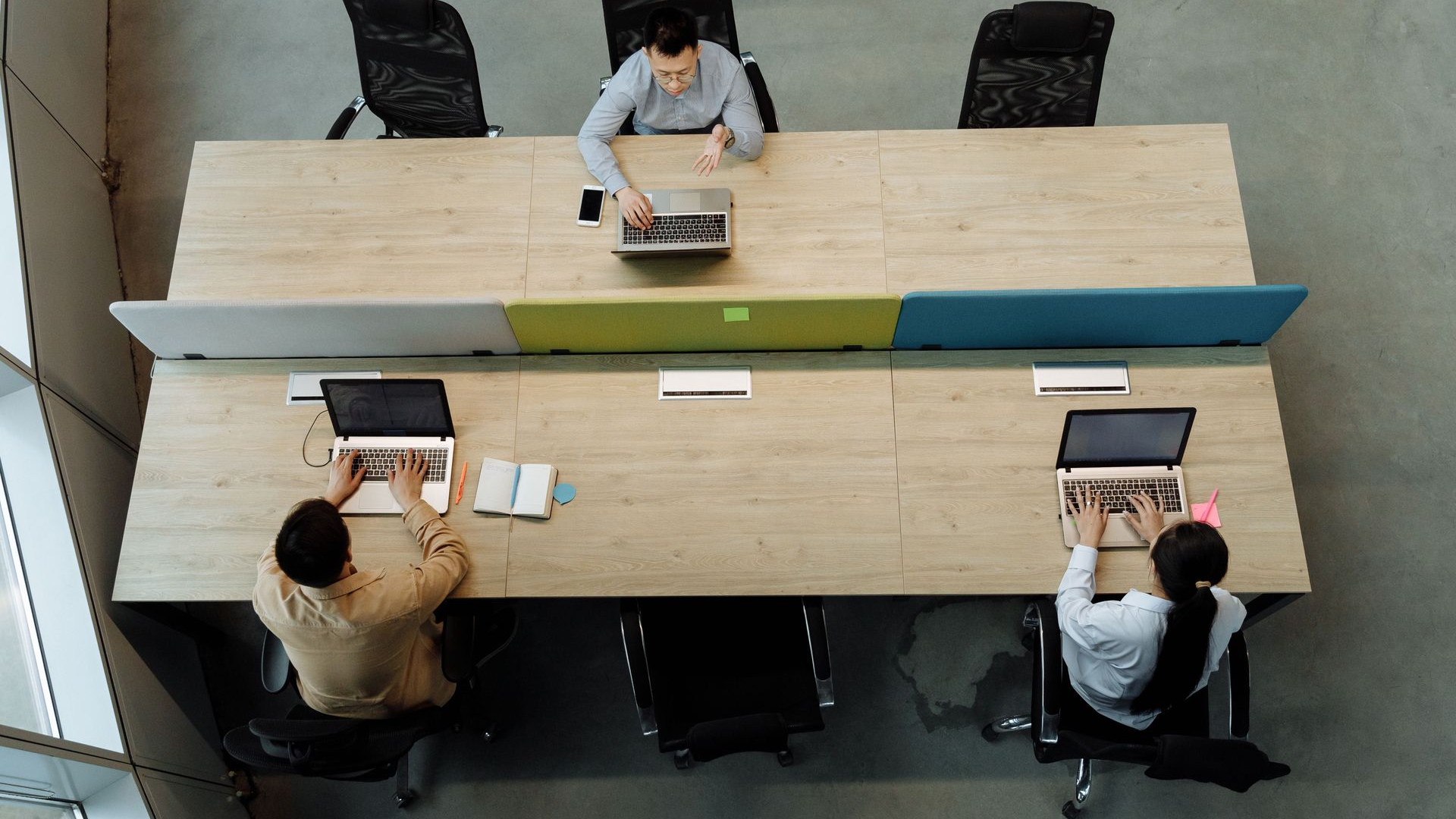
Hybrid work has changed how many companies use their office space. Instead of having the same number of employees on-site every day, workplaces may experience sharp swings in attendance depending on the day of the week, meeting schedules, or team policies.
That shift affects more than desks and conference rooms. It also changes how companies should think about vending, coffee, pantry service, and micro markets. A refreshment program designed for a five-day office may no longer fit a workforce that comes in only two or three days each week.
Demand Is Less Predictable
In a traditional office, refreshment demand tends to follow a fairly consistent pattern. Hybrid workplaces are different.
Tuesday through Thursday may be extremely busy, while Mondays and Fridays are much quieter. Some companies may also experience sudden increases in attendance when teams gather for meetings, training sessions, or company events.
This makes stocking levels more important. Too much inventory can create waste, while too little can leave employees facing empty shelves during the busiest days.
A flexible service plan can help match inventory more closely to actual workplace traffic.
Product Mix May Need to Change
Hybrid employees often use the office differently than full-time on-site employees.
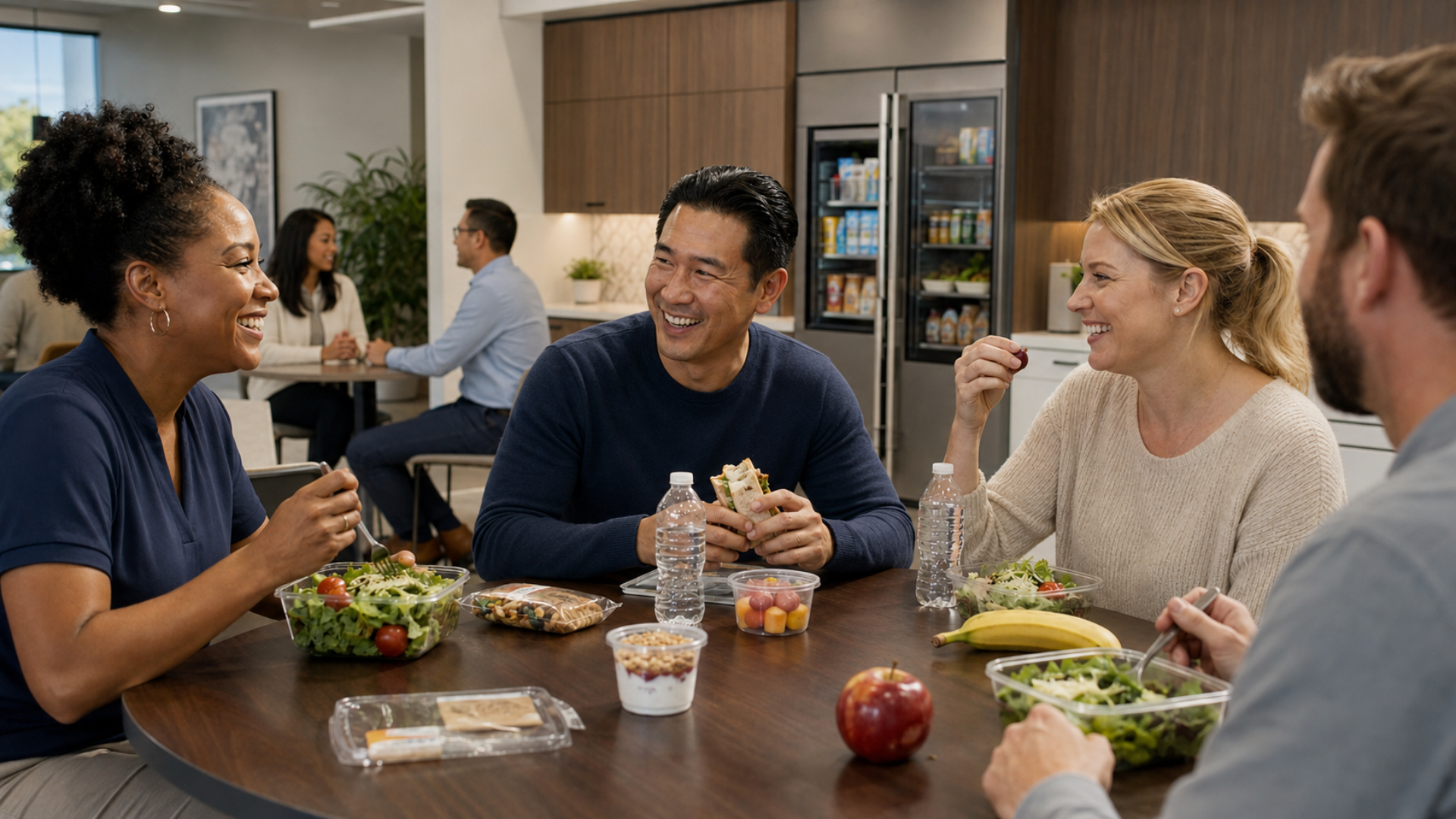
Someone who comes in only a few days each week may be more likely to grab breakfast, purchase a quick lunch, or choose snacks between meetings rather than bring everything from home.
That can make grab-and-go options especially useful.
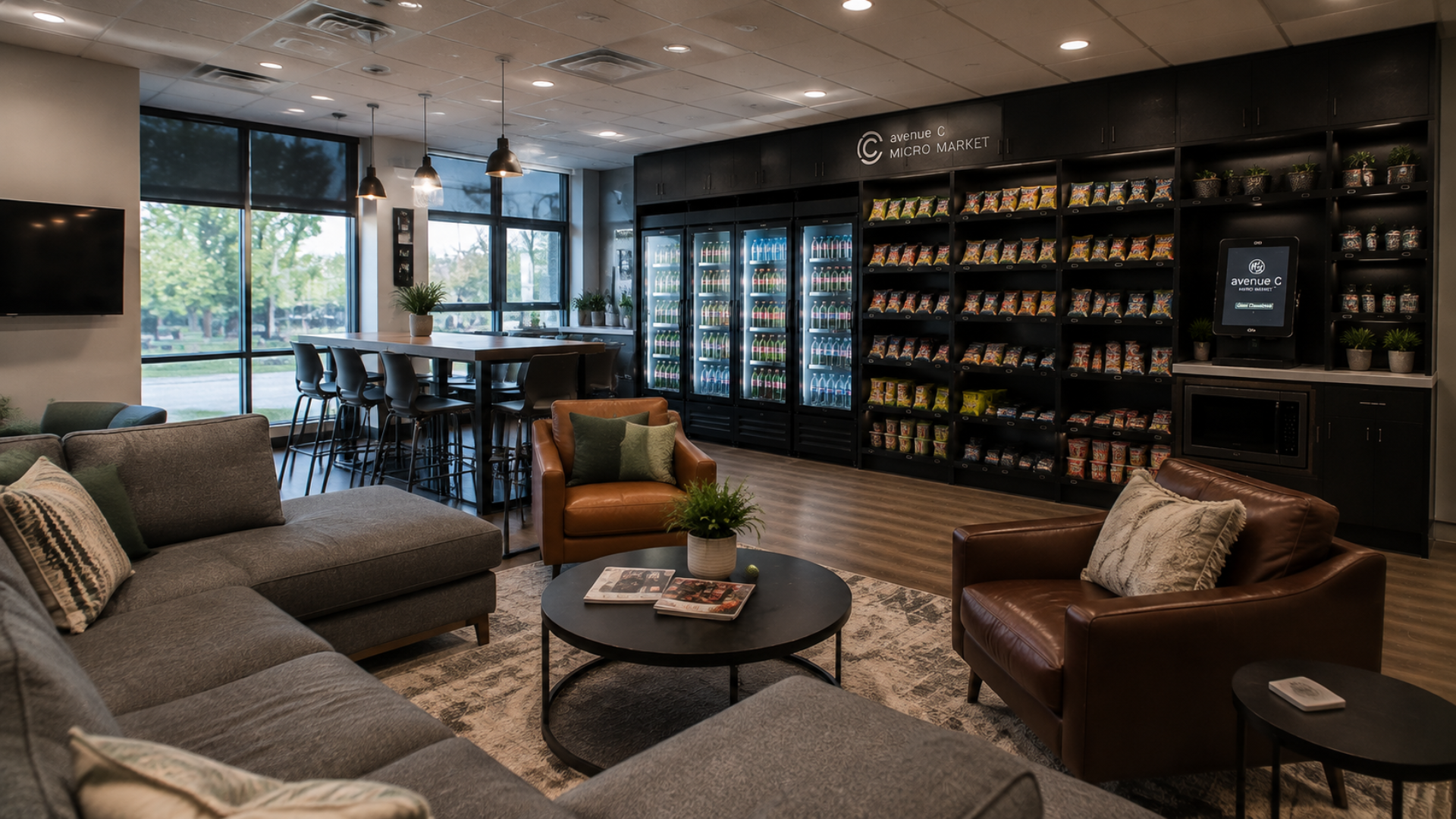
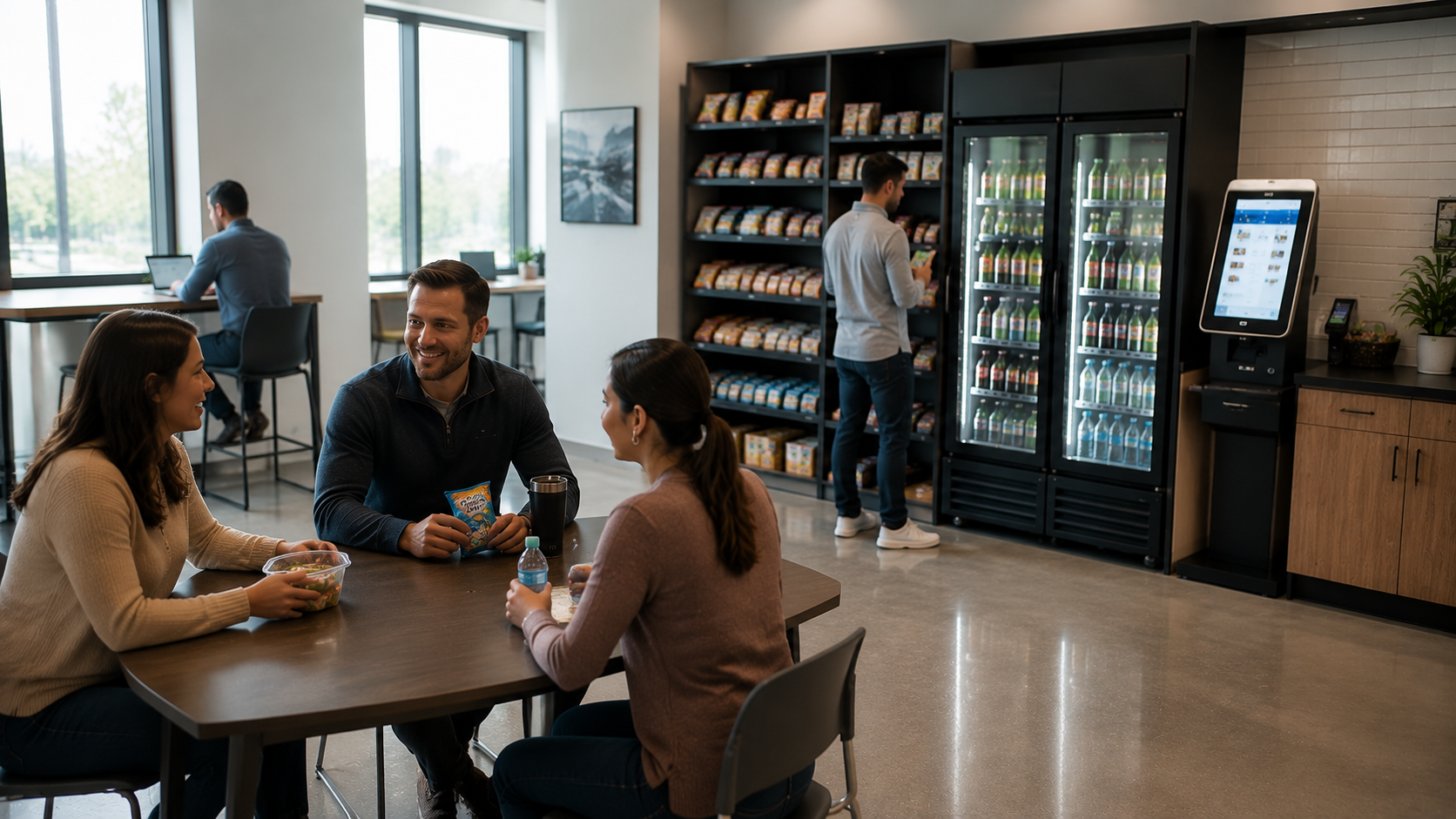
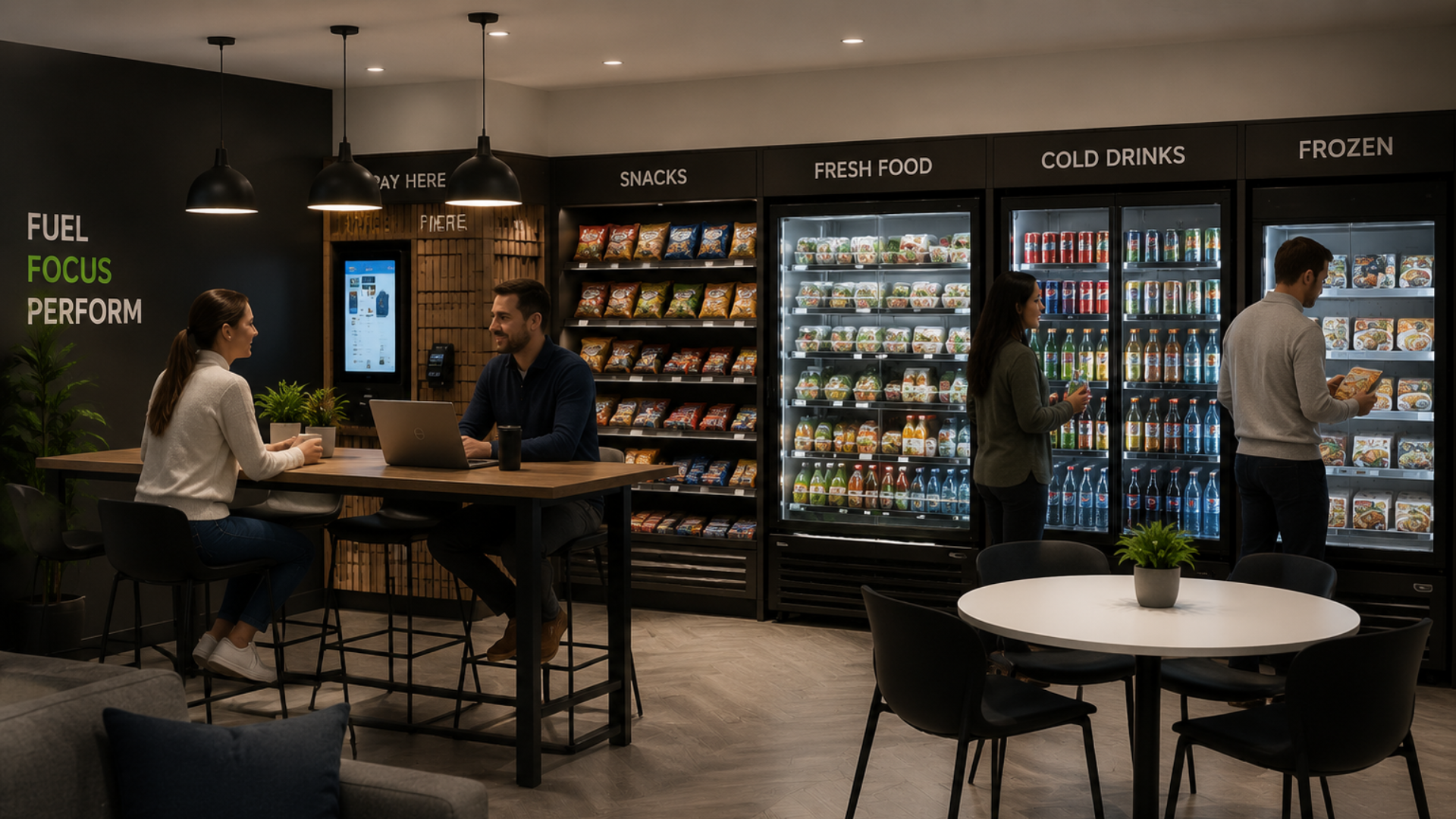
A well-planned micro market might include beverages, snacks, fresh food, breakfast options, and convenient meal choices. Traditional vending may still work well in other offices, particularly when employees primarily need drinks and packaged snacks.
The right product mix depends on how employees actually use the workplace.
Coffee Service Becomes More Dynamic
Coffee demand can also fluctuate considerably in a hybrid environment.
An office may need relatively little coffee on a quiet Monday but significantly more during a Wednesday when most of the team is present.
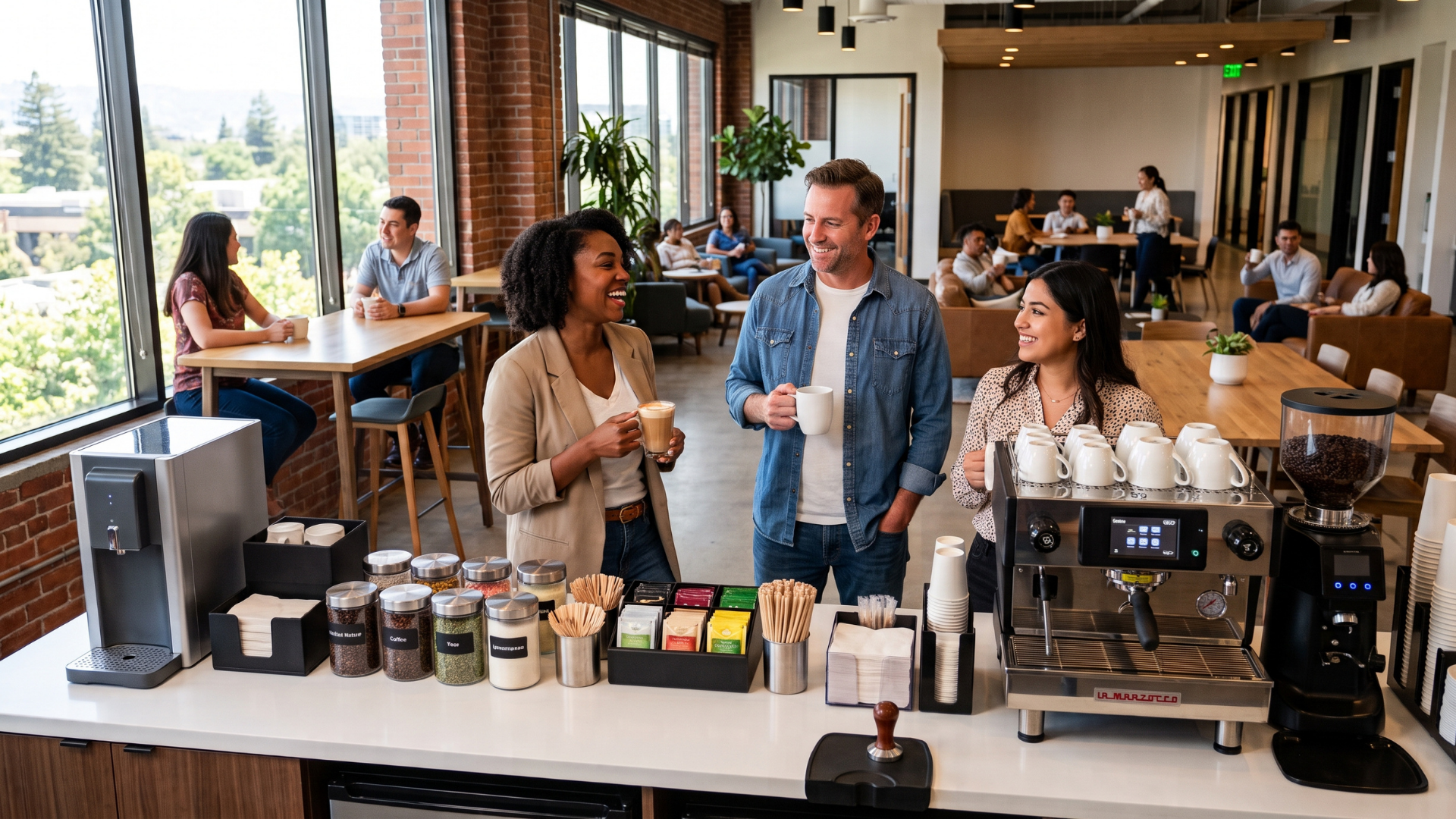
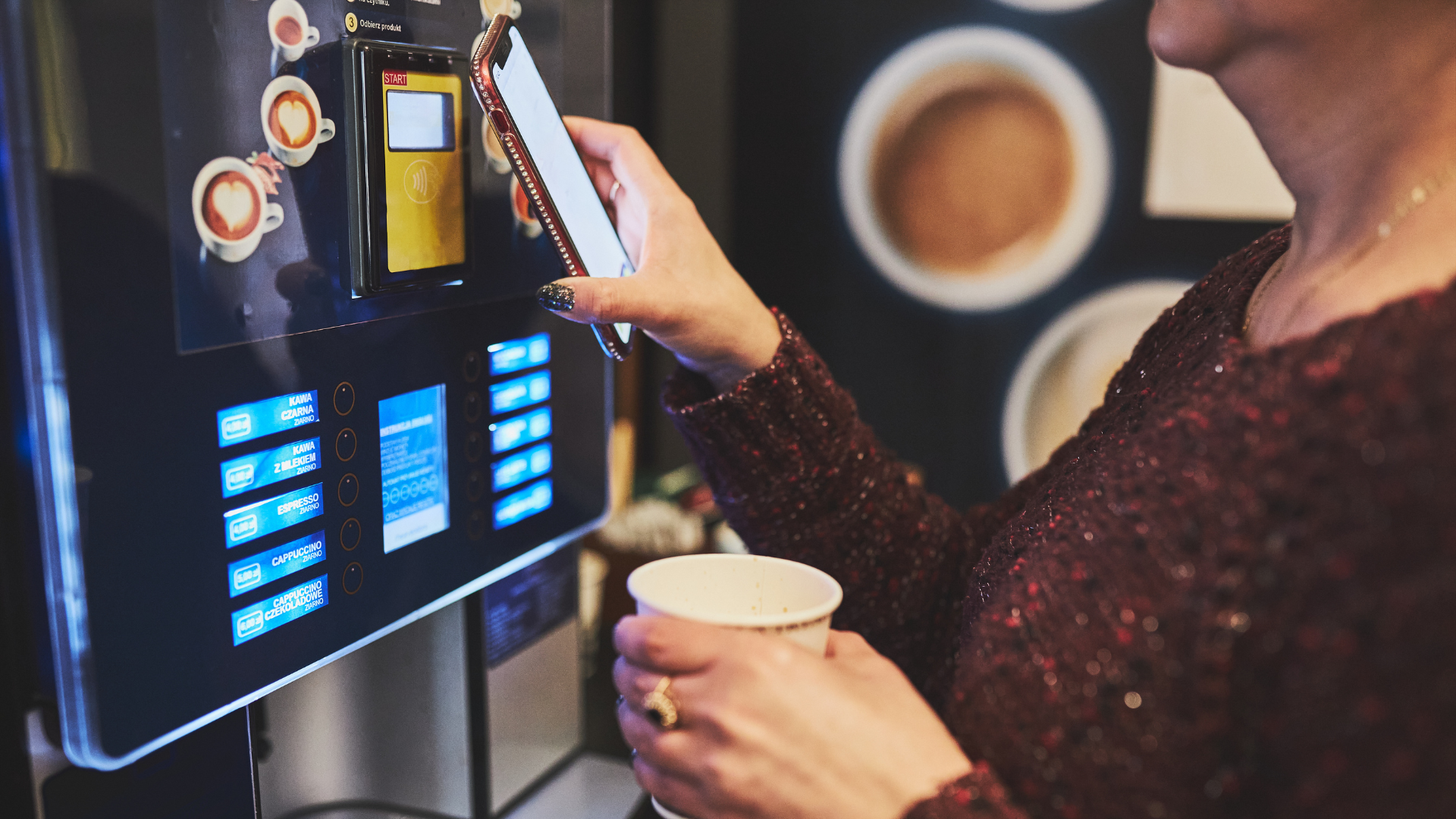
Office coffee programs should account for those differences while still providing enough variety. Coffee, tea, hot chocolate, and other beverage options can make the refreshment area useful to a wider group of employees.
Keeping supplies organized and replenished also becomes important when demand is concentrated into fewer high-traffic days.
Micro Markets Offer More Flexibility
Micro markets can be particularly well suited to hybrid offices because they provide a broader selection than many traditional vending machines.
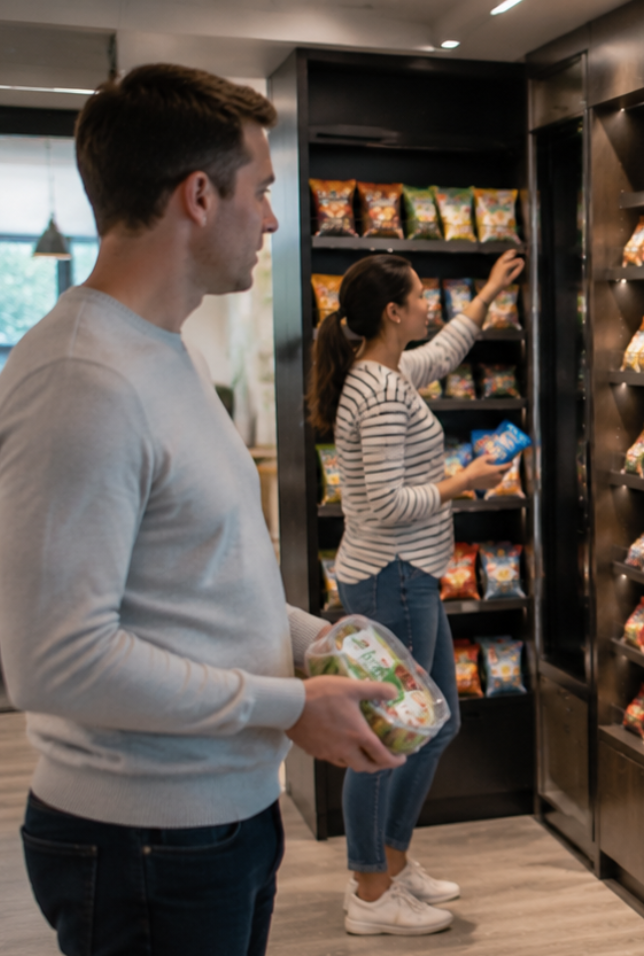
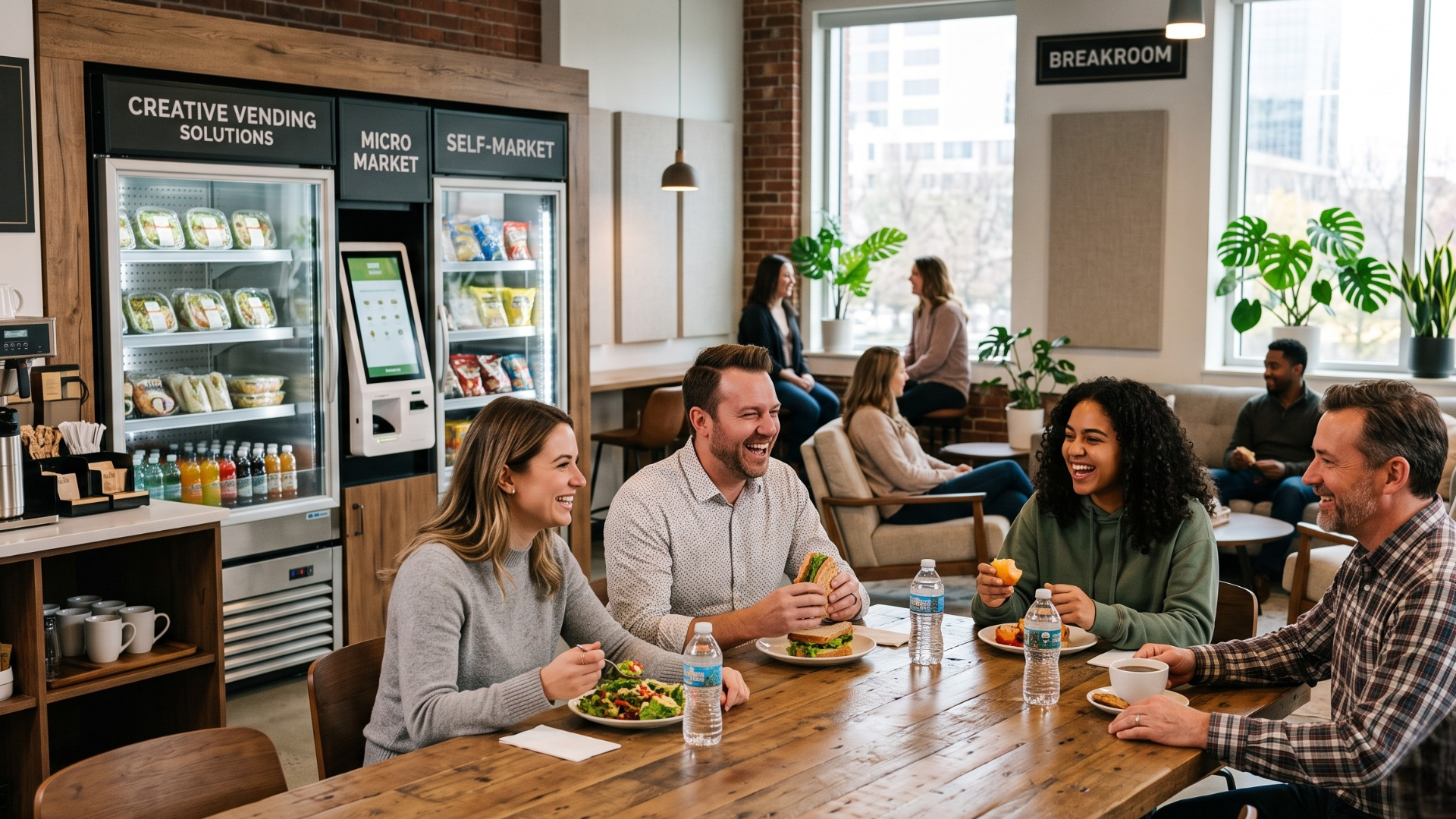
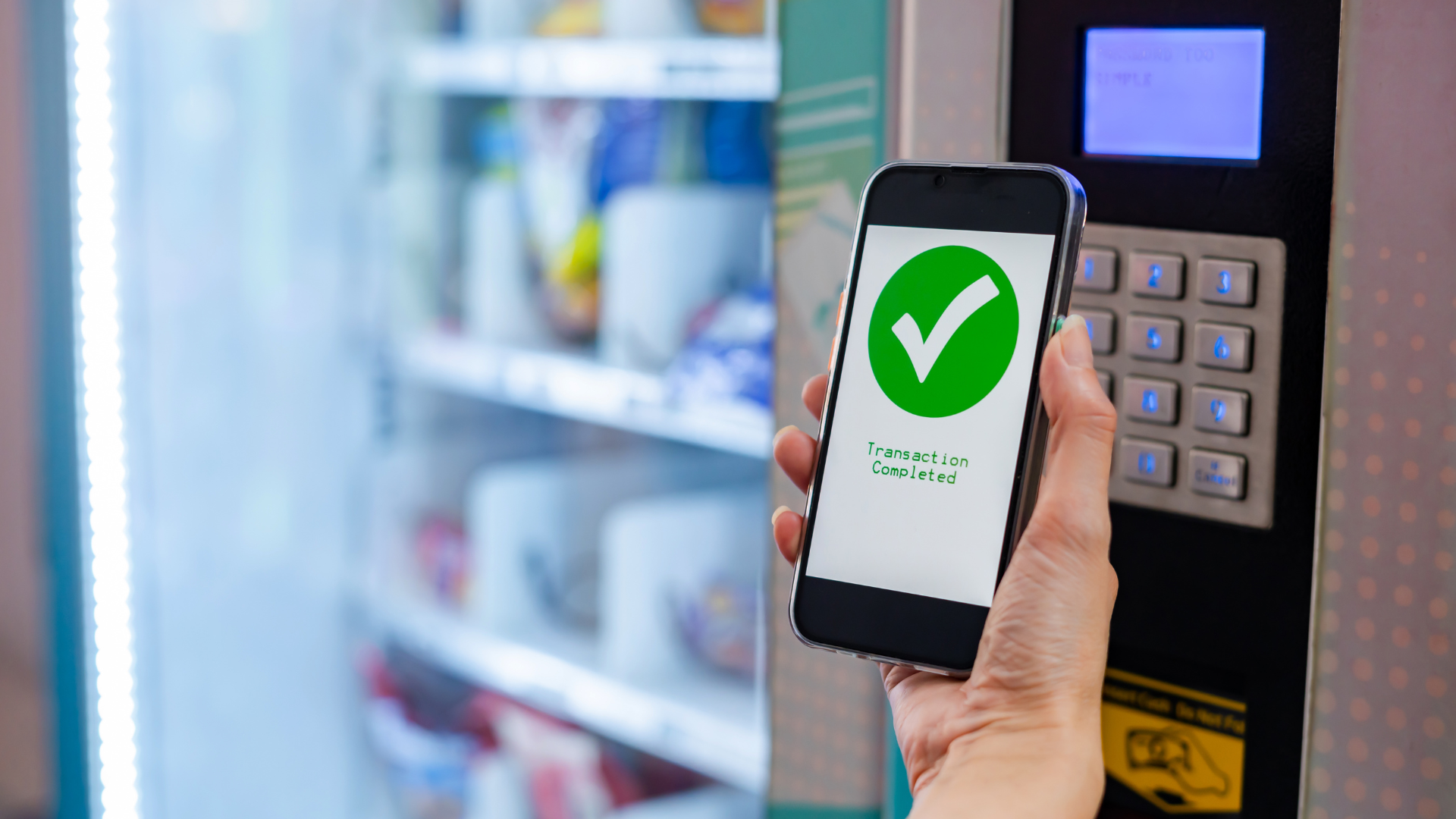
Employees can browse refrigerated drinks, fresh foods, snacks, and other items, then complete purchases through self-checkout. This creates a convenient option when attendance varies and employees may be working different schedules.
A micro market can also reduce the need for workers to leave the building for snacks or meals during a busy day.
For employers, product selections can be adjusted over time based on what employees actually purchase.
Pantry Service Can Be Adjusted Around Attendance
Some companies prefer to provide complimentary snacks and beverages through an office pantry program.
Hybrid work does not eliminate the value of pantry service, but it may require more careful planning. Stocking should reflect the number of people expected in the office rather than assumptions based on total headcount.
Employers can also concentrate more premium or varied offerings on the days when office attendance is highest.
This helps create an appealing employee amenity while keeping the program more efficient.

Employee Feedback Matters More
When employees spend fewer days in the office, the amenities available during those days can become more noticeable.
Instead of guessing which products people want, employers can gather feedback and review purchasing patterns. This can reveal preferences for healthier snacks, specific beverages, breakfast foods, fresh meals, or other options.
Smart vending and micro market technology can also provide useful data about which products sell quickly and which are consistently left behind.
That information makes it easier to refine the program over time.
Build a Breakroom Around How People Work Today
Hybrid work has made one-size-fits-all refreshment programs less practical. Successful breakrooms need to reflect real attendance patterns, employee preferences, available space, and how people use the office throughout the week.
Creative Vending Solution provides micro markets, office vending, coffee service, pantry programs, healthy snack options, and smart breakroom solutions for businesses throughout the San Francisco Bay Area. By tailoring inventory and service to actual workplace demand,
Creative Vending Solution can help employers create a refreshment program that remains convenient, appealing, and efficient even when office attendance changes from day to day.