Why Employees Expect Cashless Convenience at Work
May 15, 2026
Cashless payment has become a normal part of everyday life. People use cards, mobile wallets, and contactless payment systems for everything from groceries to coffee purchases. As these habits have become more common, expectations inside the workplace have changed as well. Employees increasingly expect the same level of convenience at work that they experience everywhere else.
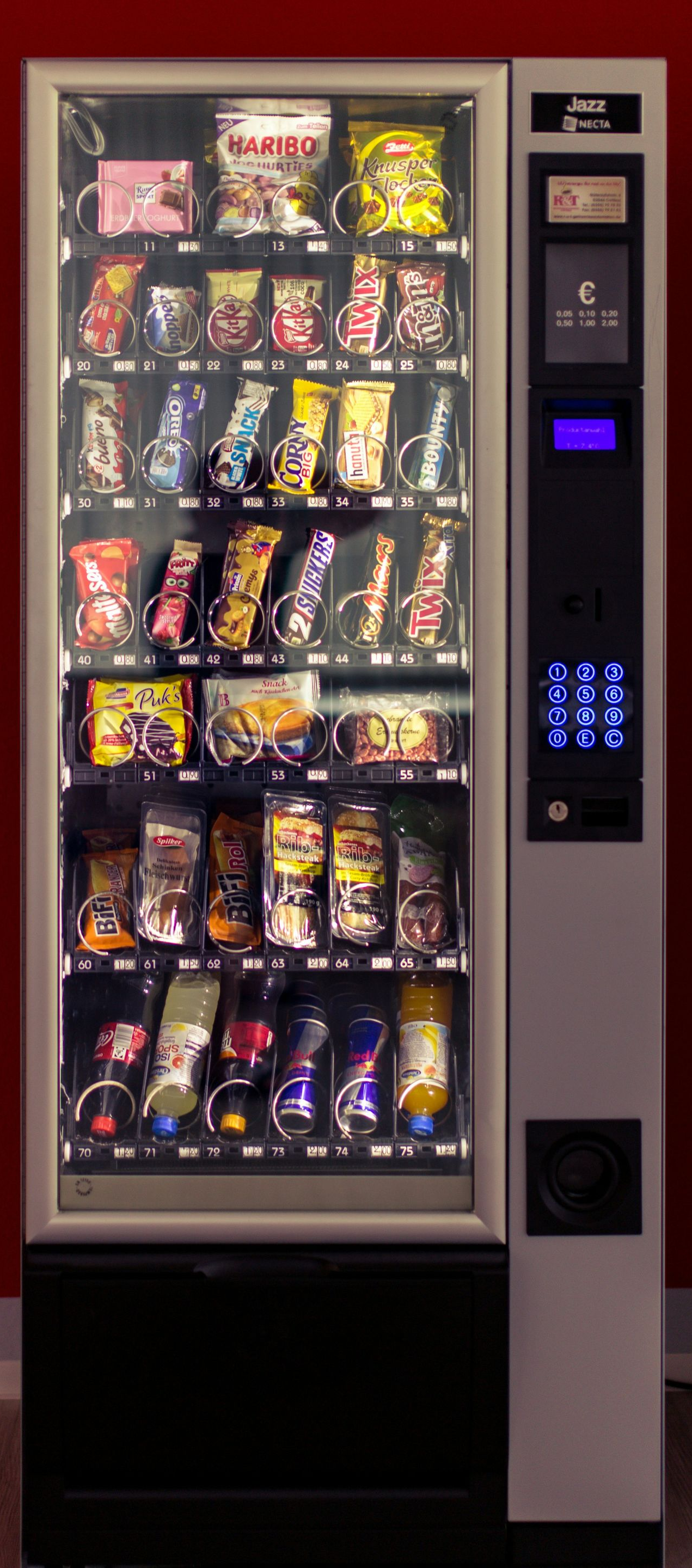
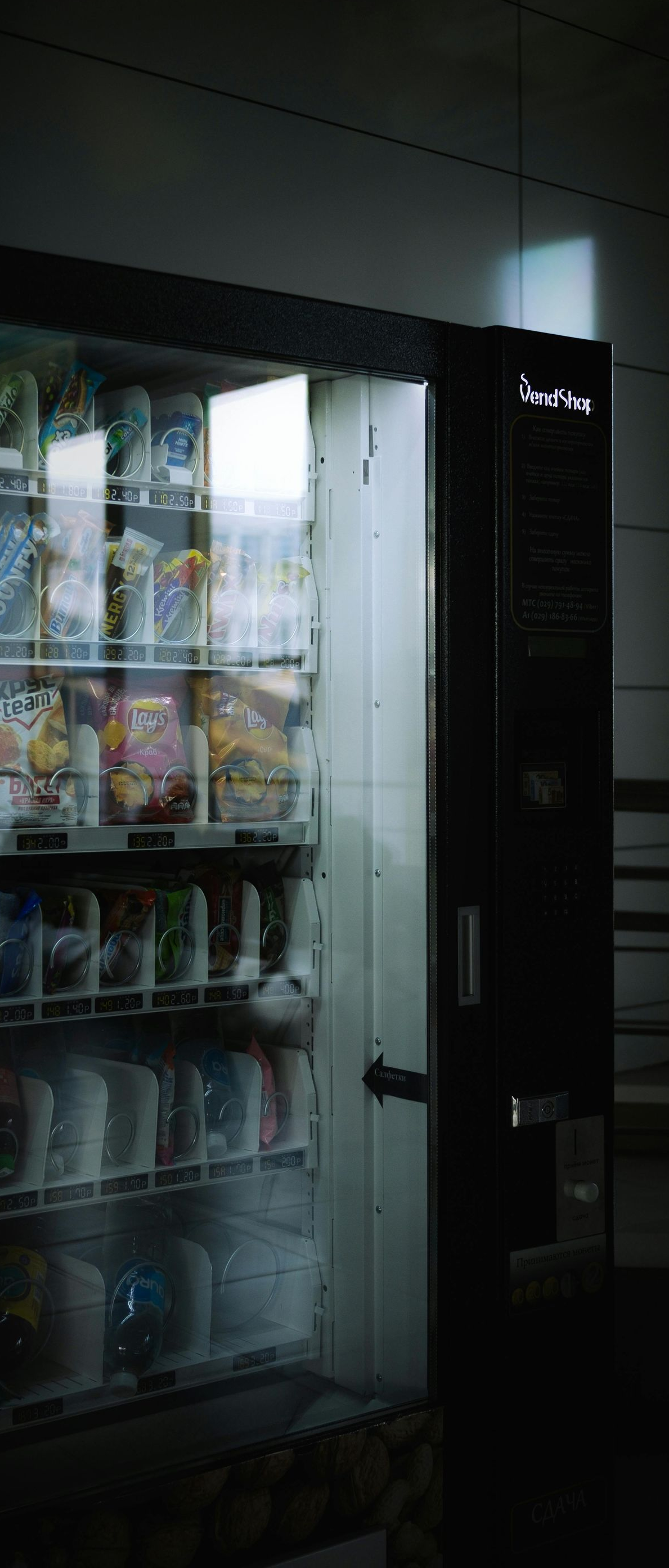
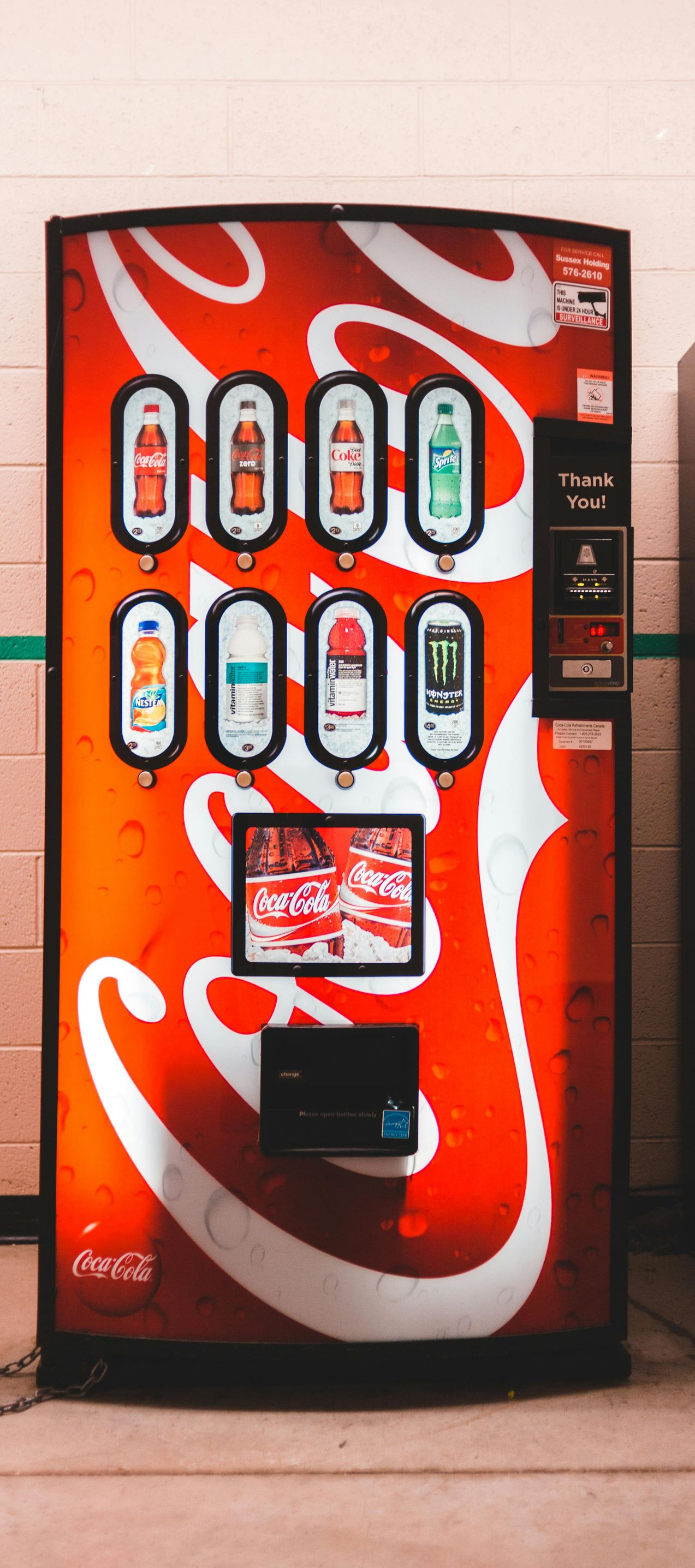
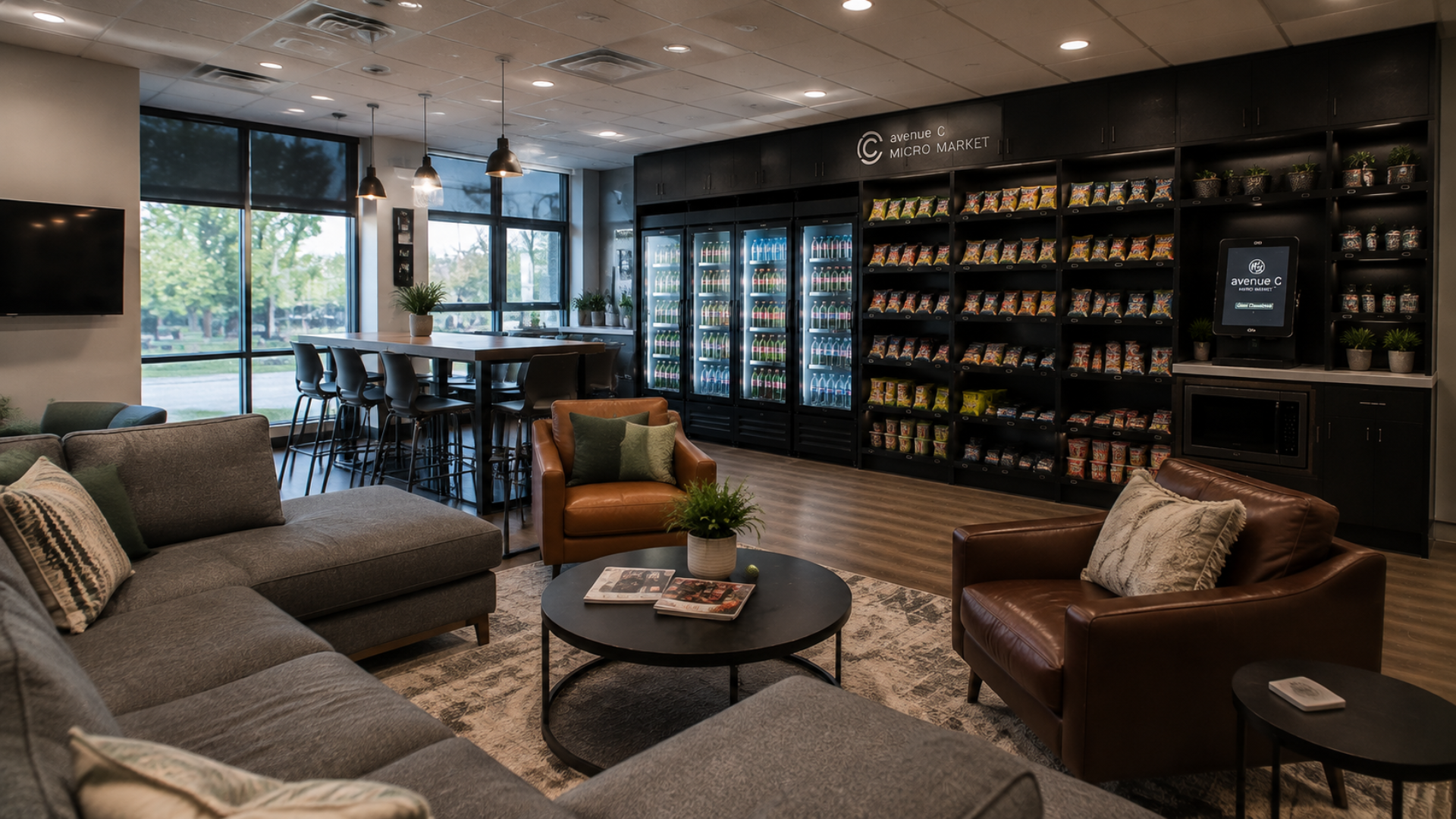
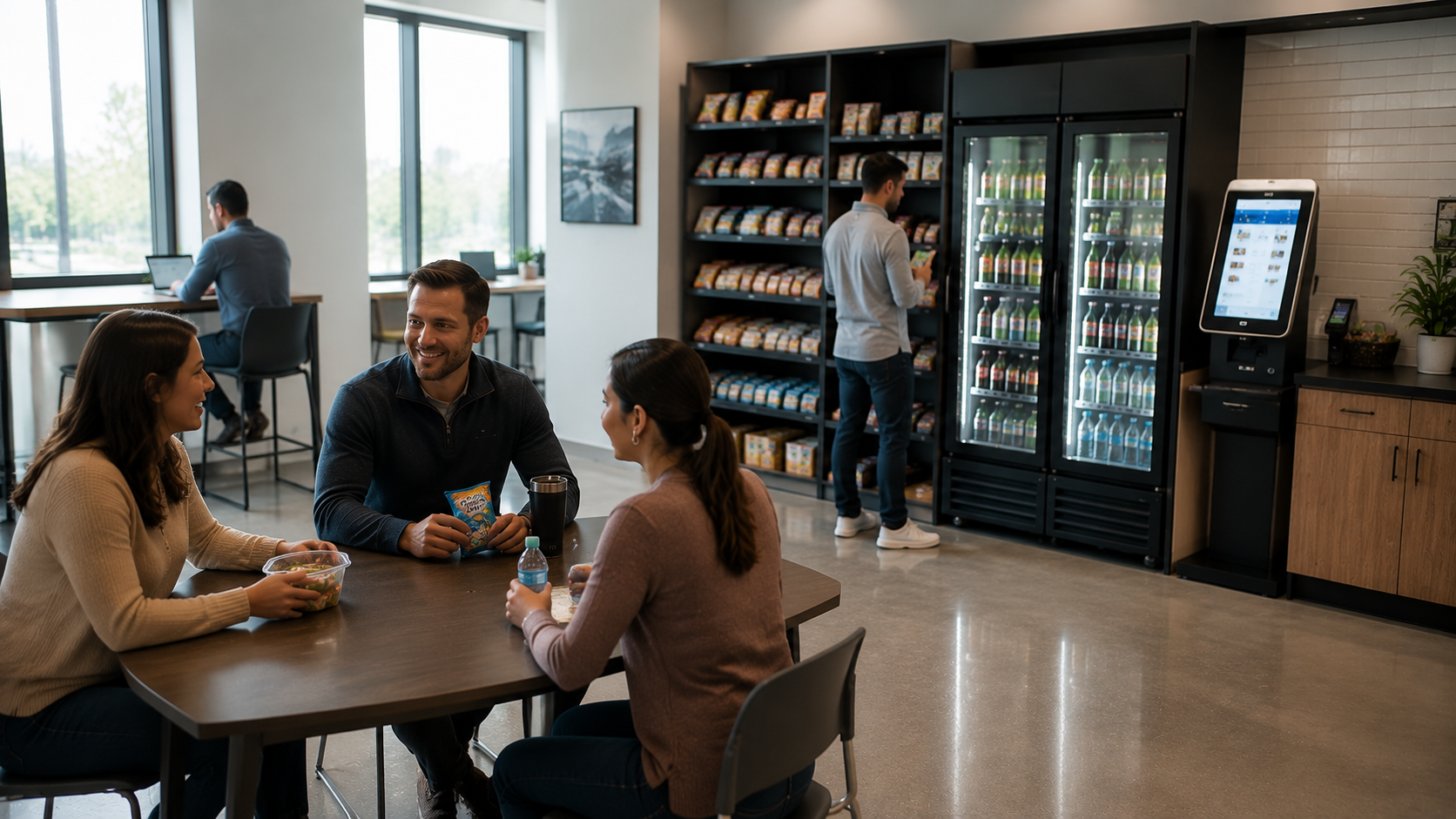
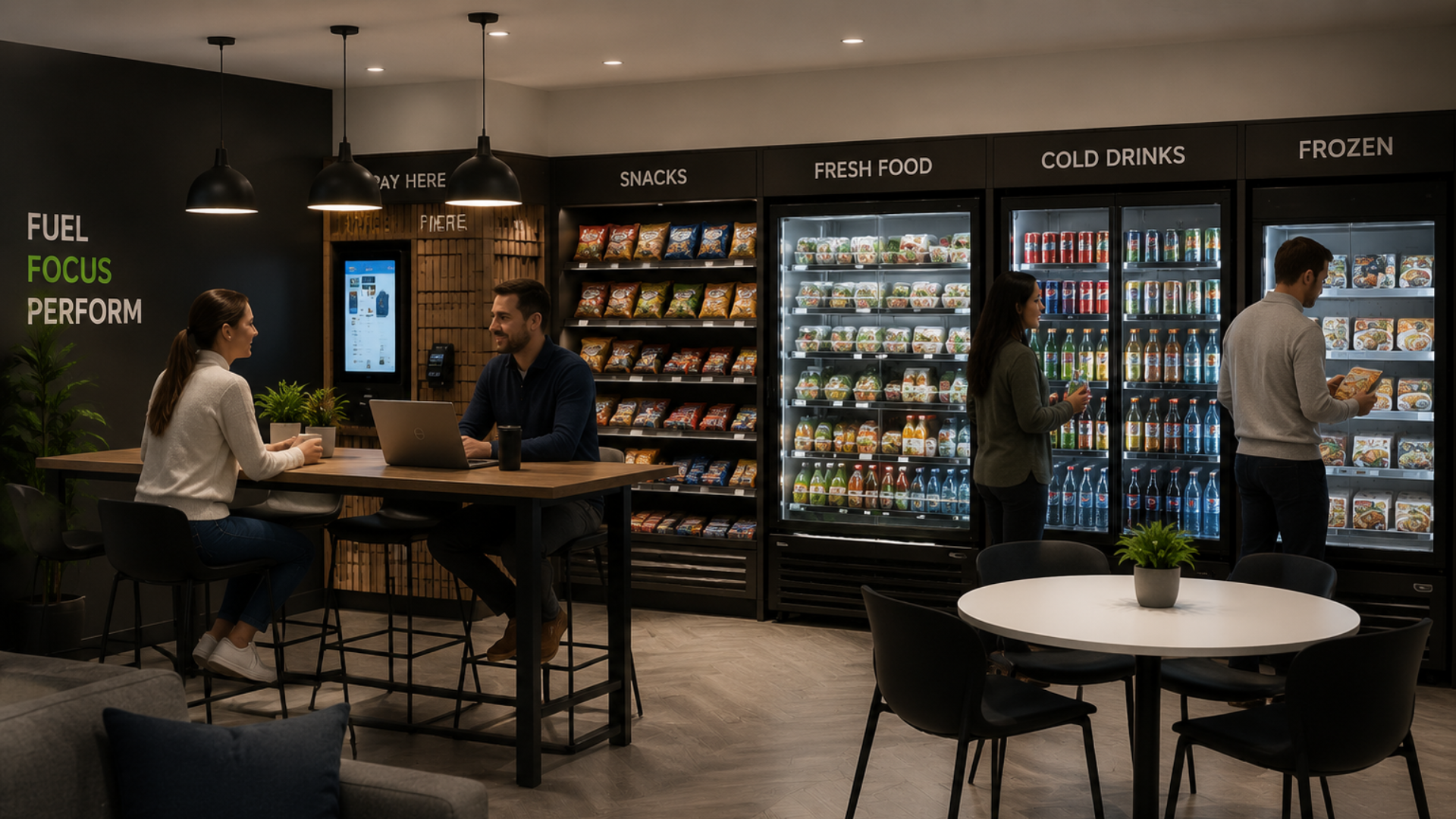
This shift is especially noticeable in breakrooms and vending areas, where traditional cash-only systems no longer align with how most people prefer to make purchases.
At Creative Vending Solution, we see firsthand how cashless technology has changed employee expectations and improved the overall workplace experience.
Everyday Habits Influence Workplace Expectations
Modern consumers rarely carry large amounts of cash. Many people rely almost entirely on debit cards, credit cards, and mobile payment apps throughout the day. Because these payment methods have become routine outside the workplace, employees naturally expect similar convenience inside the workplace as well.
When vending machines only accept cash, the experience immediately feels outdated and less accessible. Employees may skip purchases simply because they do not have cash available at the moment.
Cashless systems remove that barrier and make workplace convenience services easier to use consistently.
Convenience Matters During the Workday
Most workplace vending purchases happen quickly. Employees may be grabbing a drink between meetings, picking up a snack during a short break, or purchasing something during a busy shift.
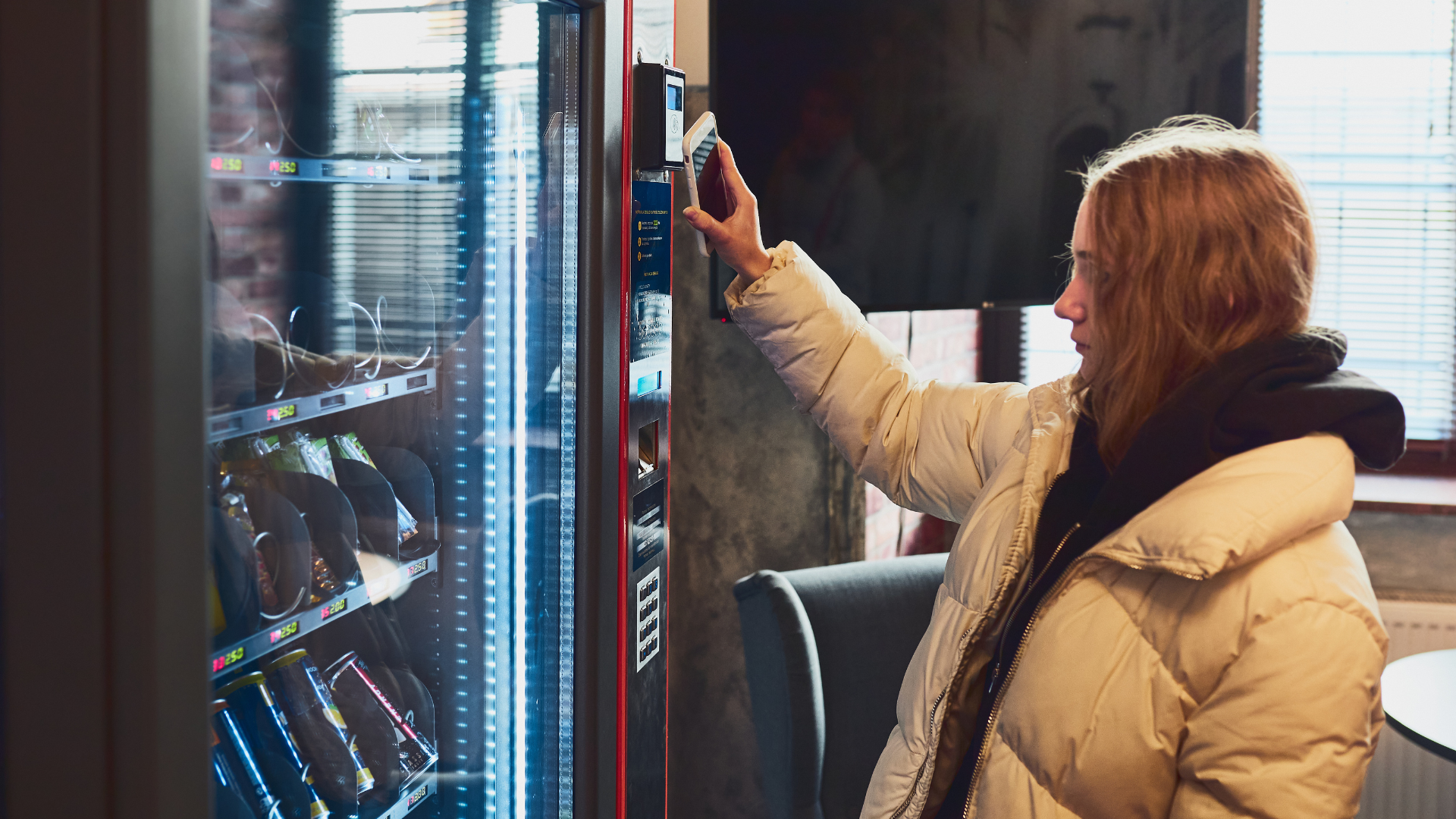
In these situations, speed and simplicity matter. Cashless payments streamline the process by eliminating the need for exact change or physical cash handling. Employees can make purchases quickly and return to their work routine without interruption.
This smoother experience contributes to a more convenient and efficient workplace environment overall.
Cashless Systems Improve Accessibility
One of the biggest advantages of cashless vending is accessibility. Employees are far more likely to use vending services regularly when payment options match their daily habits.
Modern vending systems often support:
- Debit and credit cards
- Mobile wallet payments
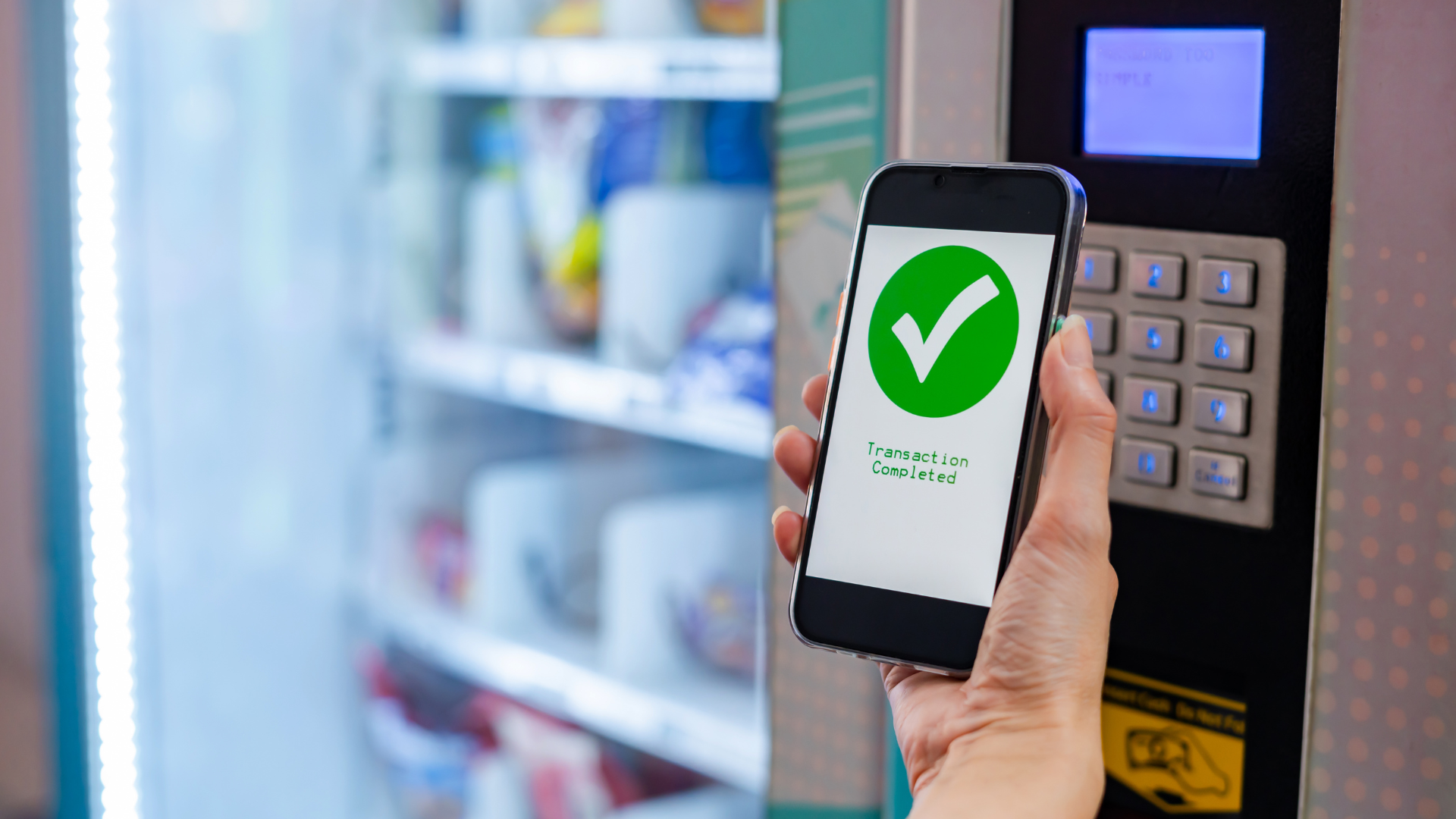
- Contactless tap-to-pay technology
These options allow employees to purchase items regardless of whether they are carrying cash. This broader accessibility tends to increase machine usage while improving overall satisfaction with workplace amenities.
Workplace Technology Expectations Continue Growing
Cashless vending is also part of a larger shift toward modern workplace technology. Employees increasingly expect workplaces to incorporate systems that feel current, efficient, and easy to use.
Outdated vending equipment can create the impression that workplace amenities are being overlooked. In contrast, modern vending systems with cashless functionality feel more aligned with today’s technology standards.
While vending may seem like a small part of workplace operations, employees notice these details more than many organizations realize.
Reduced Maintenance and Operational Issues
Cashless systems also simplify vending management from an operational perspective. Machines that rely heavily on coins and cash often experience issues related to jammed bill acceptors, coin shortages, and manual cash collection.
Digital payment systems reduce many of these challenges. Transactions process more efficiently, maintenance needs are often lower, and the overall user experience becomes more reliable.
This creates benefits for both employees and employers.
Supporting Modern Workplace Culture
Convenience has become an increasingly important part of workplace culture. Employees value environments that make daily routines easier and more efficient.
Offering cashless vending may seem like a small upgrade, but it reflects a broader commitment to modern convenience and employee experience. Small improvements in accessibility and usability often contribute to stronger overall workplace satisfaction.
At Creative Vending Solution, we believe convenience services should evolve alongside workplace expectations rather than remain tied to outdated systems.
The Future of Workplace Vending
Cashless technology is no longer viewed as an optional feature. For many employees, it has become the standard expectation. As workplace environments continue modernizing, vending systems are evolving into smarter, more connected convenience solutions.
Creative Vending Solution provides modern vending services designed to meet these changing expectations. From cashless payment integration to fully managed vending programs, we help businesses create breakroom experiences that feel simple, reliable, and current.
If your workplace is ready to modernize its vending services and improve convenience for employees, contact Creative Vending Solution to learn more about our cashless vending solutions.