How Real-Time Inventory Tracking Improves Vending Service
May 21, 2026
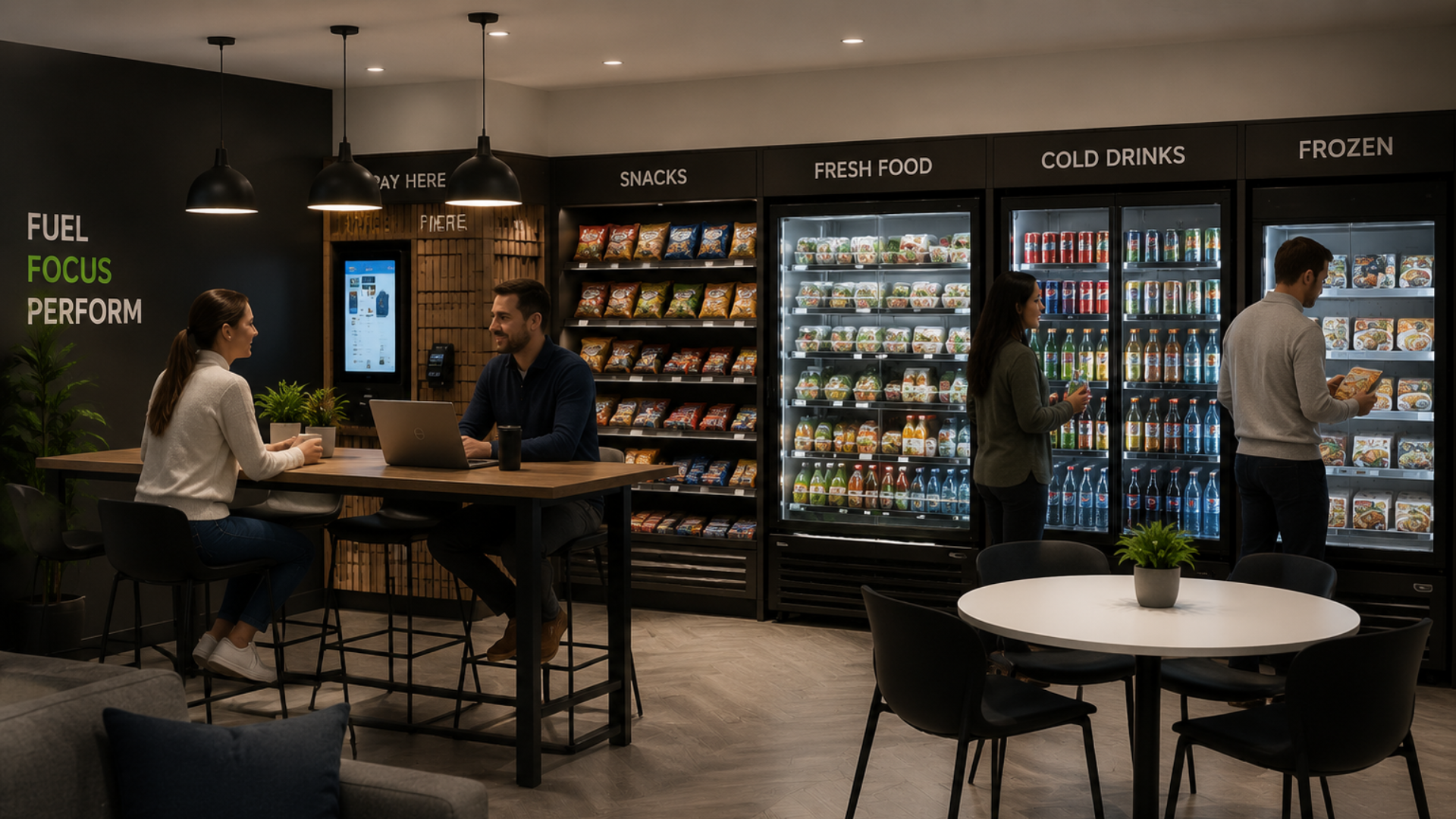
Modern vending services have changed significantly over the past several years. Vending machines are no longer simple standalone units stocked manually on fixed schedules. Today’s systems increasingly rely on smart technology that helps improve product availability, service efficiency, and overall user experience.
One of the most important advancements in modern vending management is real-time inventory tracking.
At Creative Vending Solution, we use modern vending technology to help businesses provide more reliable and efficient convenience services for employees, visitors, and customers. Real-time inventory monitoring plays a major role in that process.
What Is Real-Time Inventory Tracking?
Real-time inventory tracking allows vending operators to monitor product levels inside machines remotely through connected software systems. Instead of relying only on scheduled physical inspections, operators can view inventory status digitally and respond more quickly when products begin running low.
These systems often track:
- Product quantities
- Purchasing patterns
- High-demand items
- Machine activity
- Restocking needs
This information helps vending providers make faster and more accurate service decisions.
Why Empty Machines Create Problems
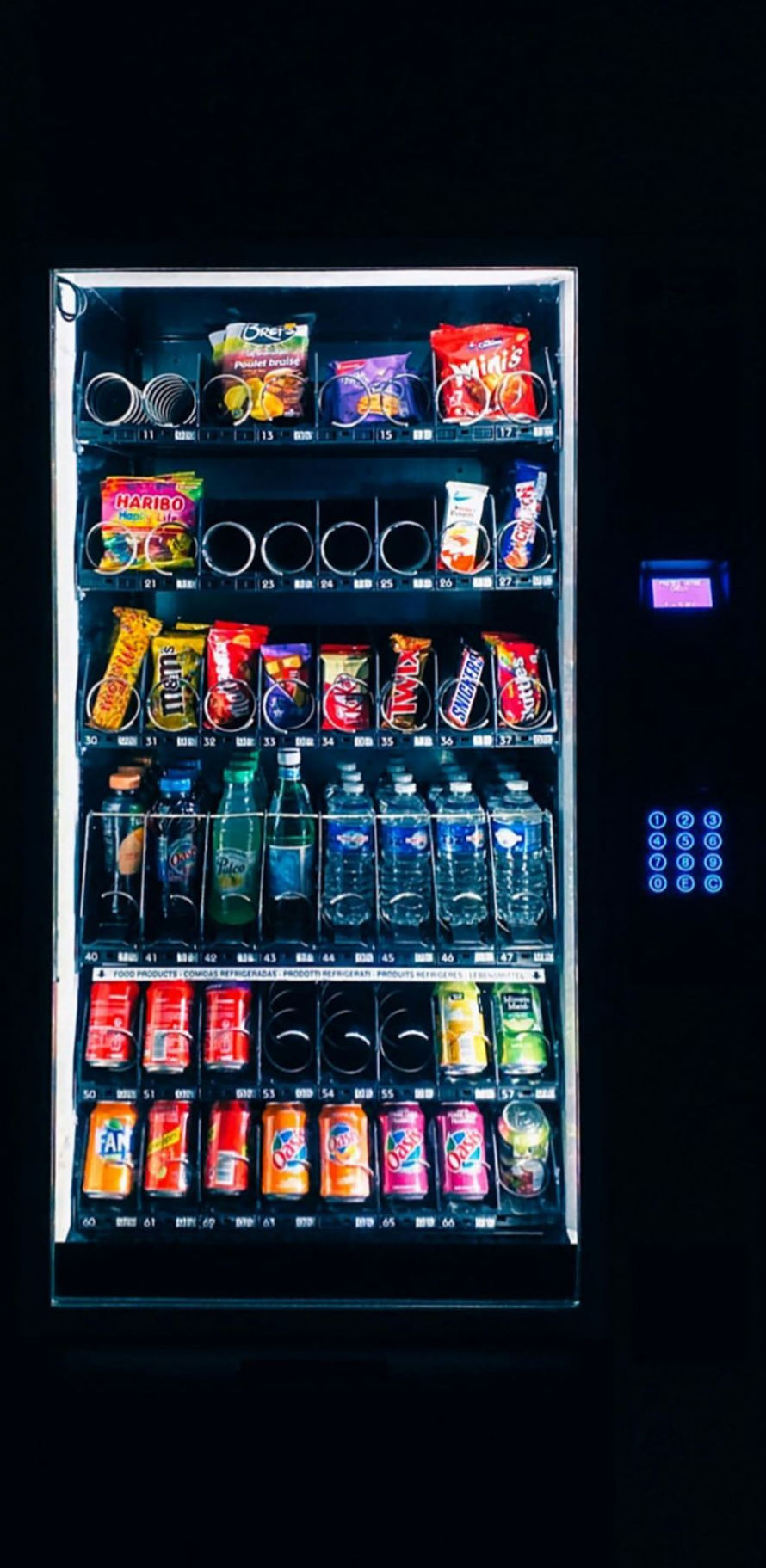
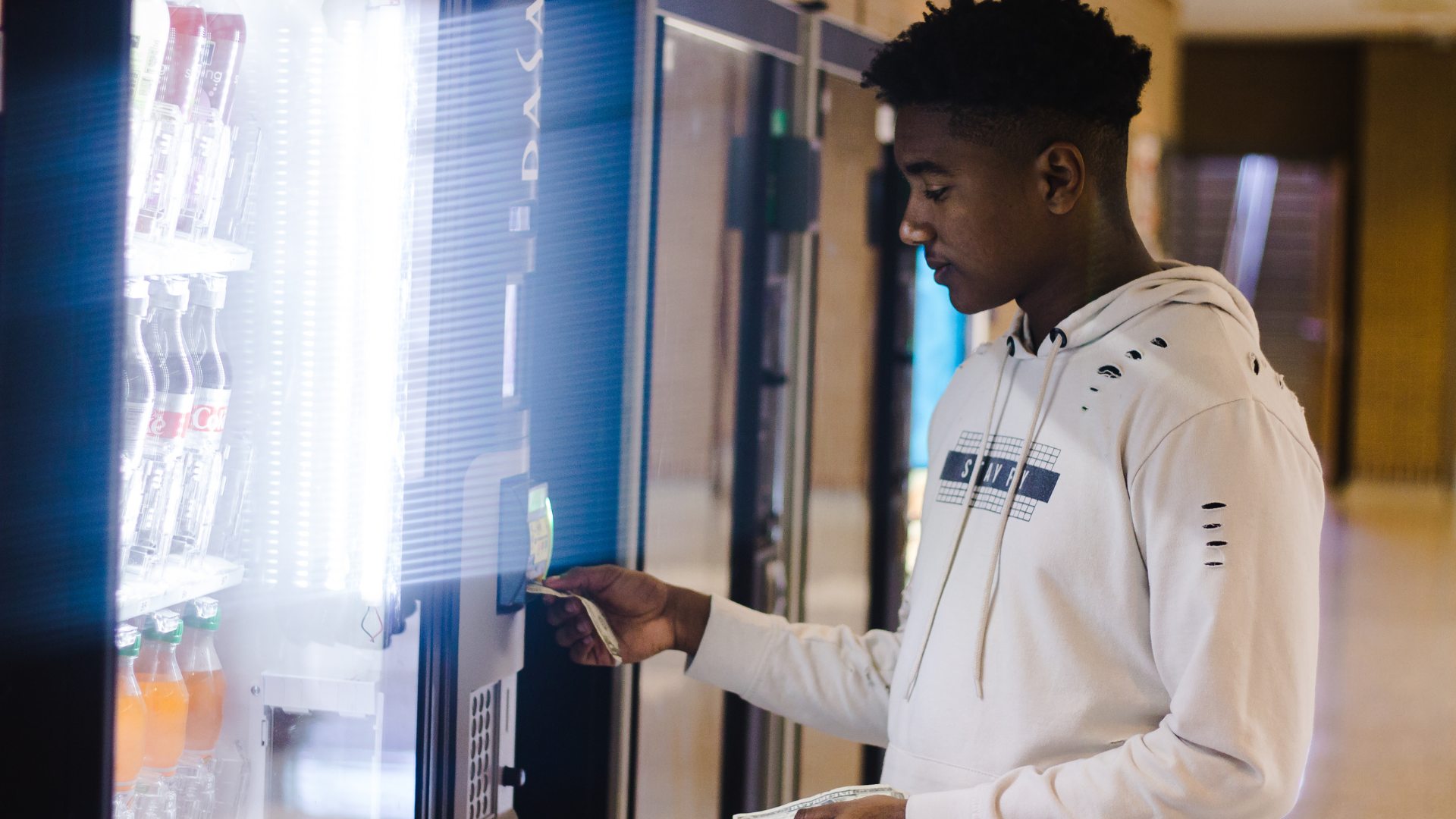
One of the biggest frustrations with traditional vending systems is inconsistent product availability. Employees expect convenience when using vending machines. When favorite items are repeatedly unavailable, users may stop relying on the machines entirely.
Empty slots also create the impression that the vending service is not being actively managed. Even a few missing products can affect how people view the overall breakroom experience.
Real-time tracking helps reduce these issues by allowing operators to identify low inventory levels before machines become noticeably empty.
Smarter Restocking Improves Efficiency
Traditional vending routes often relied on fixed service schedules regardless of actual product usage. Some machines might be serviced too frequently, while others could run out of popular items before the next scheduled visit. Real-time monitoring allows vending providers to restock based on actual demand rather than assumptions.
This creates several operational advantages:
- Faster response to high-demand products
- Reduced unnecessary service trips
- More efficient route planning
- Better product availability
- Improved inventory accuracy
By understanding usage patterns more clearly, vending services become more responsive and predictable.
Product Preferences Become Easier to Understand
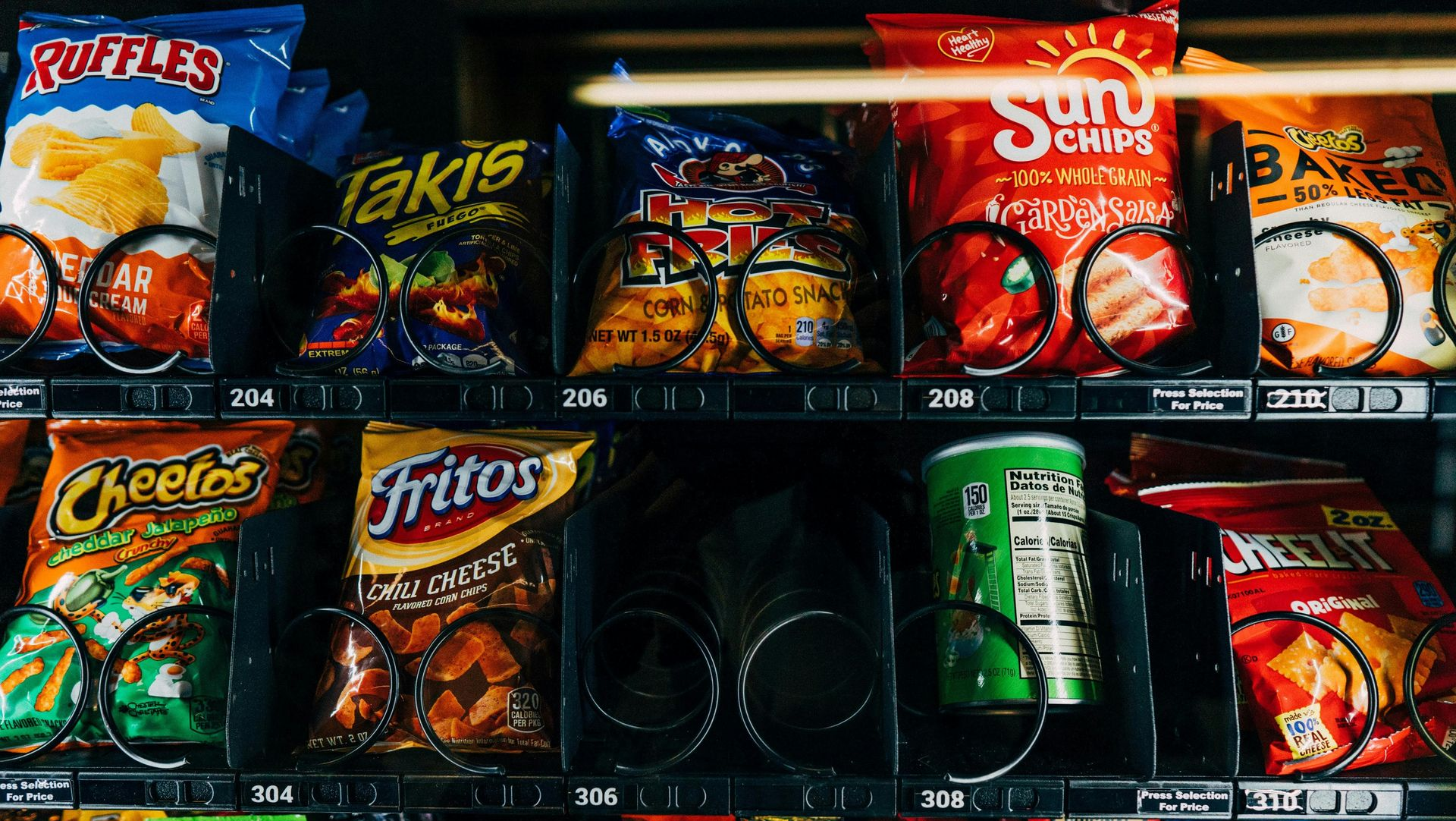
Real-time inventory systems also provide valuable insight into purchasing behavior. Operators can identify which products sell quickly, which items move slowly, and how purchasing patterns change over time.
For example, a workplace may show increased demand for energy drinks during overnight shifts or healthier snack options during daytime office hours.
This data helps vending providers tailor product selections more effectively to the specific needs of each location rather than relying on generic stocking approaches.
Supporting Better Workplace Convenience
Employees increasingly expect convenience services to function reliably and efficiently. Modern workplaces are built around speed, accessibility, and ease of use, and breakroom services are part of that expectation.
When vending machines consistently remain stocked and operational, employees are more likely to view the workplace positively overall. Reliable convenience services contribute to smoother daily routines, especially in facilities with long shifts, limited nearby food access, or around-the-clock operations.
Small improvements in convenience often have a larger impact on employee experience than many businesses initially realize.
Technology Helps Reduce Downtime
Real-time monitoring systems may also help identify technical issues earlier. In some cases, operators can detect machine malfunctions, communication problems, or payment system issues remotely before they become larger service disruptions. Faster response times help minimize downtime and improve reliability for users.
This proactive approach is one reason modern vending services feel significantly more responsive than older traditional vending models.
Modern Vending Requires Ongoing Adaptation
Workplace habits and consumer preferences continue evolving. Cashless payments, healthier products, flexible schedules, and self-service expectations have all changed how people interact with vending services.
Real-time inventory tracking helps vending providers adapt more effectively to these changing patterns by providing accurate operational data rather than relying solely on manual observation.
At Creative Vending Solution, we use modern technology to help businesses create more dependable, efficient, and user-friendly vending experiences tailored to their workplace environment.
Creating More Reliable Convenience Services
Real-time inventory tracking has become an important part of modern vending management because it improves product availability, service responsiveness, and operational efficiency. By monitoring inventory continuously, vending providers can reduce shortages, improve restocking accuracy, and create a more reliable experience for users.
Creative Vending Solution provides modern vending services designed to support today’s workplaces through smarter technology, efficient management, and dependable convenience solutions. If your business is looking to improve breakroom services and employee convenience, contact Creative Vending Solution to learn more about our vending programs.