Why Partnering With a Veteran-Owned Business Matters

May 31, 2026

Businesses today have more choices than ever when selecting service providers, vendors, and operational partners. While pricing and product quality remain important considerations, many companies are also paying closer attention to the values, professionalism, and reliability behind the businesses they choose to work with. One factor that often carries significant meaning is veteran ownership.


At  Creative Vending Solution, we are proud to operate as a veteran-owned business. Military experience shapes the way many veteran-owned companies approach customer service, accountability, organization, and long-term business relationships. For clients seeking dependable workplace vending and convenience solutions, those qualities often make a meaningful difference.


Veteran-Owned Businesses Often Emphasize Accountability

Military service places a strong emphasis on responsibility, consistency, and follow-through. Veterans are trained to operate in structured environments where reliability matters and commitments are expected to be taken seriously. Those habits frequently continue into business ownership.


For customers and business partners, this often translates into:

  • Clear communication
  • Reliable scheduling
  • Professional conduct
  • Strong attention to detail
  • Consistent service standards


In industries where dependable operational support matters, accountability can become just as valuable as the products or services themselves.
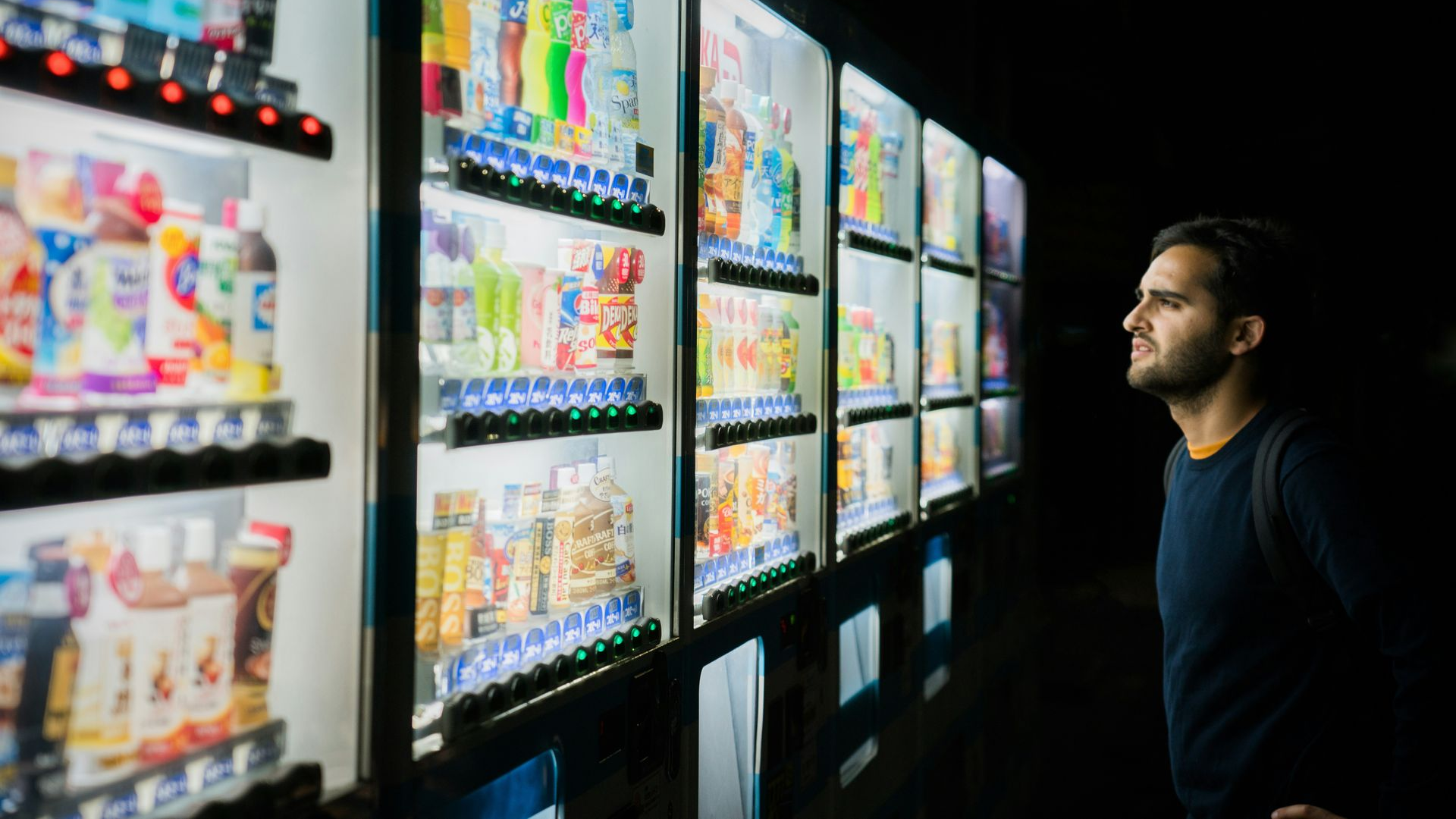
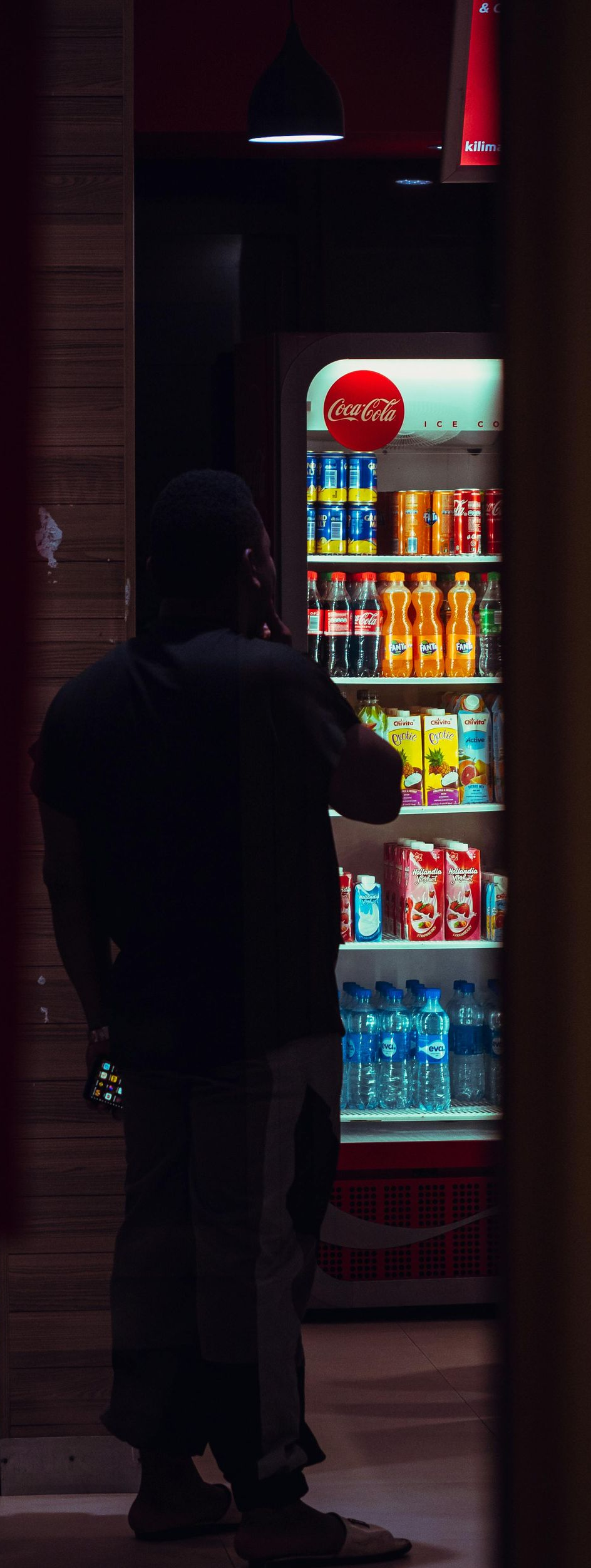
Man looking at brightly lit vending machines in a dark room

Service-Oriented Thinking Often Carries Over Into Business

Many veteran-owned businesses approach customer relationships with a service-first mindset. Military experience frequently reinforces the importance of teamwork, adaptability, and supporting others under changing conditions.


In business environments, this mindset often appears through:

  • Responsive customer support
  • Long-term relationship building
  • Practical problem-solving
  • Focus on operational consistency
  • Willingness to adapt to client needs


At Creative Vending Solution, we believe workplace convenience services should feel dependable and customer-focused rather than transactional.


Reliability Matters in Workplace Services

For vending and breakroom services, reliability plays a major role in overall customer satisfaction. Businesses depend on vending providers to maintain stocked machines, address service issues promptly, and support employee convenience consistently over time.


When vending programs are poorly managed, employees notice quickly. Empty machines, delayed maintenance, inconsistent inventory, and communication breakdowns can affect the overall workplace experience.


Many businesses value veteran-owned service providers because they often prioritize operational discipline and consistency in day-to-day execution.
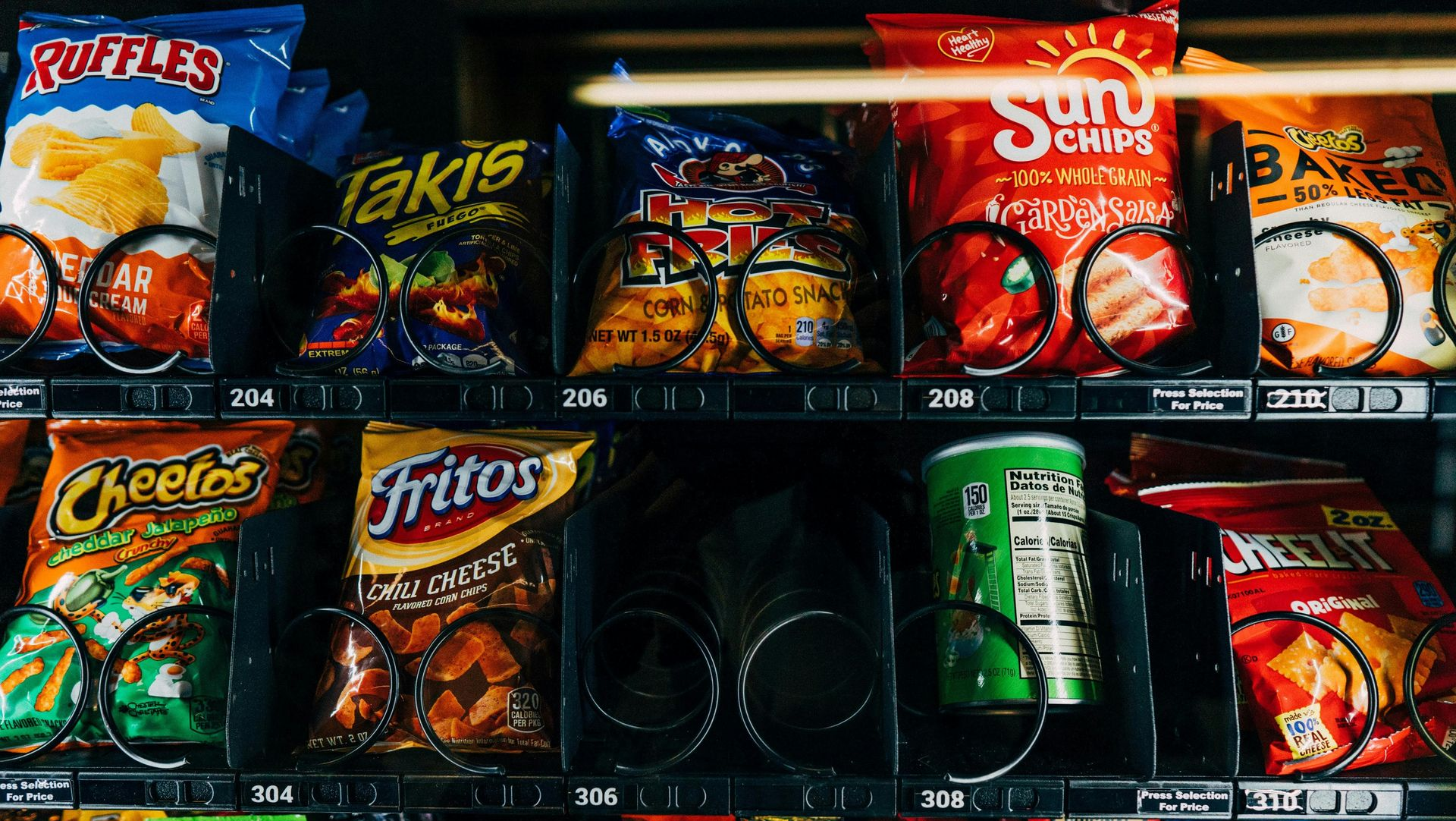
Convenience store snack shelf with colorful chips and a green soda can in the middle row

Veteran-Owned Businesses Support Local Economies

Partnering with veteran-owned businesses also supports entrepreneurship and economic growth within local communities. Many veterans transition from military service into small business ownership, bringing leadership experience and operational discipline into the private sector.


Supporting veteran-owned companies helps encourage:

  • Small business development
  • Local job creation
  • Community investment
  • Diverse business leadership
  • Independent entrepreneurship


For many organizations, working with veteran-owned businesses reflects a broader commitment to supporting community-focused economic growth.
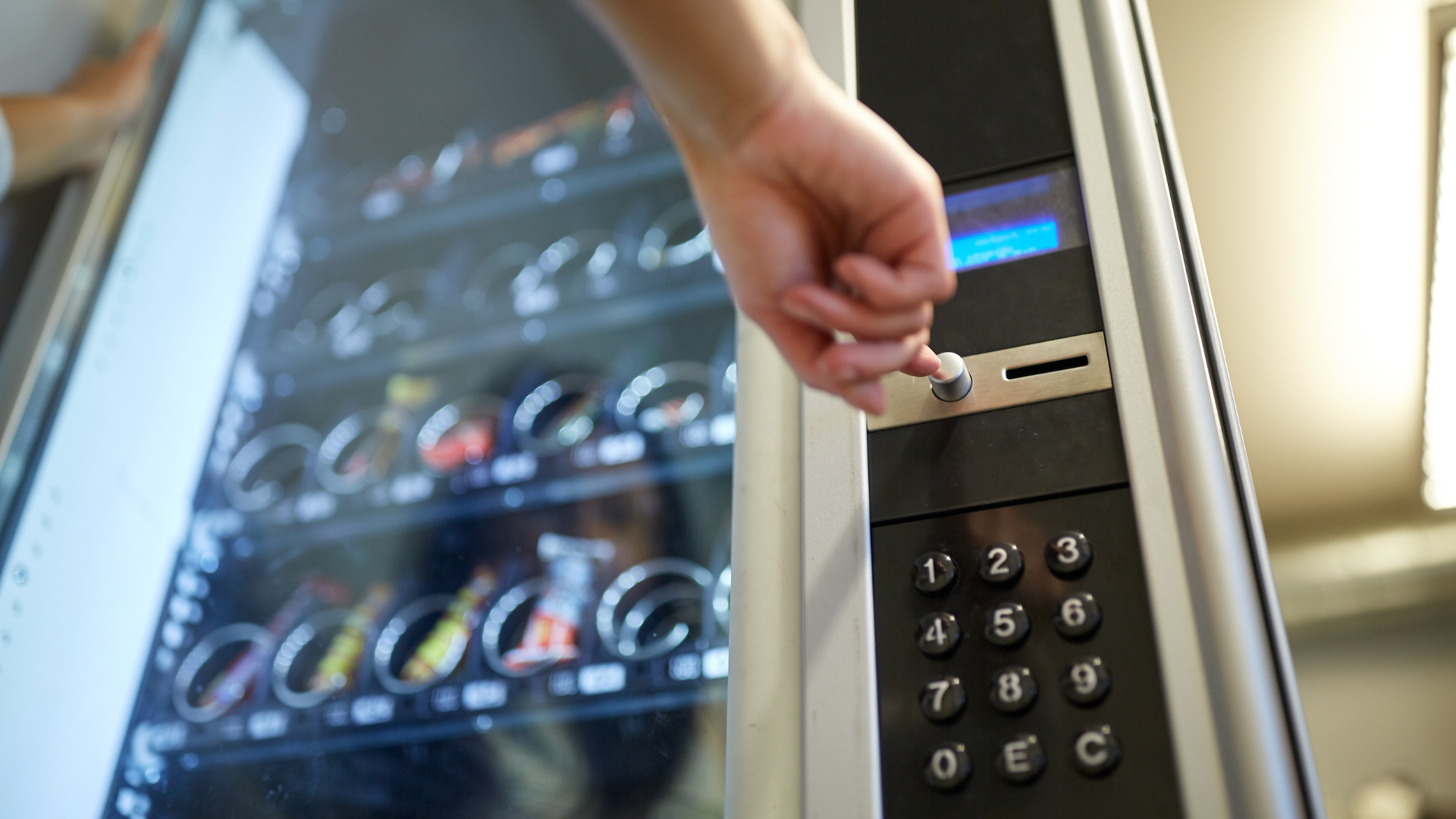
Hand reaching to select a snack from a vending machine keypad and tray

Professionalism Often Shapes Customer Experience

Professionalism is another quality many clients associate with veteran-owned businesses. Military environments require organization, punctuality, communication, and adaptability under pressure. These qualities often influence how veteran-owned companies manage customer interactions and service delivery.


In workplace convenience services, professionalism may influence:

  • Route management
  • Inventory consistency
  • Service responsiveness
  • Equipment maintenance
  • Communication with clients


Even smaller operational details contribute to how businesses experience vendor relationships over time.


Long-Term Relationships Matter

Many veteran-owned businesses focus heavily on building lasting customer relationships rather than pursuing short-term transactions alone. Trust, consistency, and reputation often become central priorities because long-term business stability depends heavily on reliability and customer confidence.


At Creative Vending Solution, we value partnerships that grow over time through dependable service and open communication. We understand that workplace vending services are part of the daily employee experience, which makes consistency especially important.

American flag waving on a pole against a cloudy sky

Shared Values Often Influence Business Decisions

Businesses increasingly want to work with partners whose values align with their own organizational culture. Veteran-owned businesses often appeal to companies that value:

  • Discipline
  • Integrity
  • Reliability
  • Service-oriented leadership
  • Commitment to quality


These qualities help create stronger business relationships built on trust and mutual respect.


Choosing Partners You Can Depend On

Partnering with a veteran-owned business is about more than ownership status alone. For many companies, it represents confidence in professionalism, accountability, and long-term service reliability.


At Creative Vending Solution, we are proud to provide workplace vending and convenience solutions backed by the values that continue shaping our business every day. From responsive customer support to dependable service management, we believe strong partnerships are built through consistency, communication, and trust.


If your business is looking for reliable workplace vending solutions supported by a veteran-owned company committed to professional service, contact Creative Vending Solution to learn more about our programs and services.
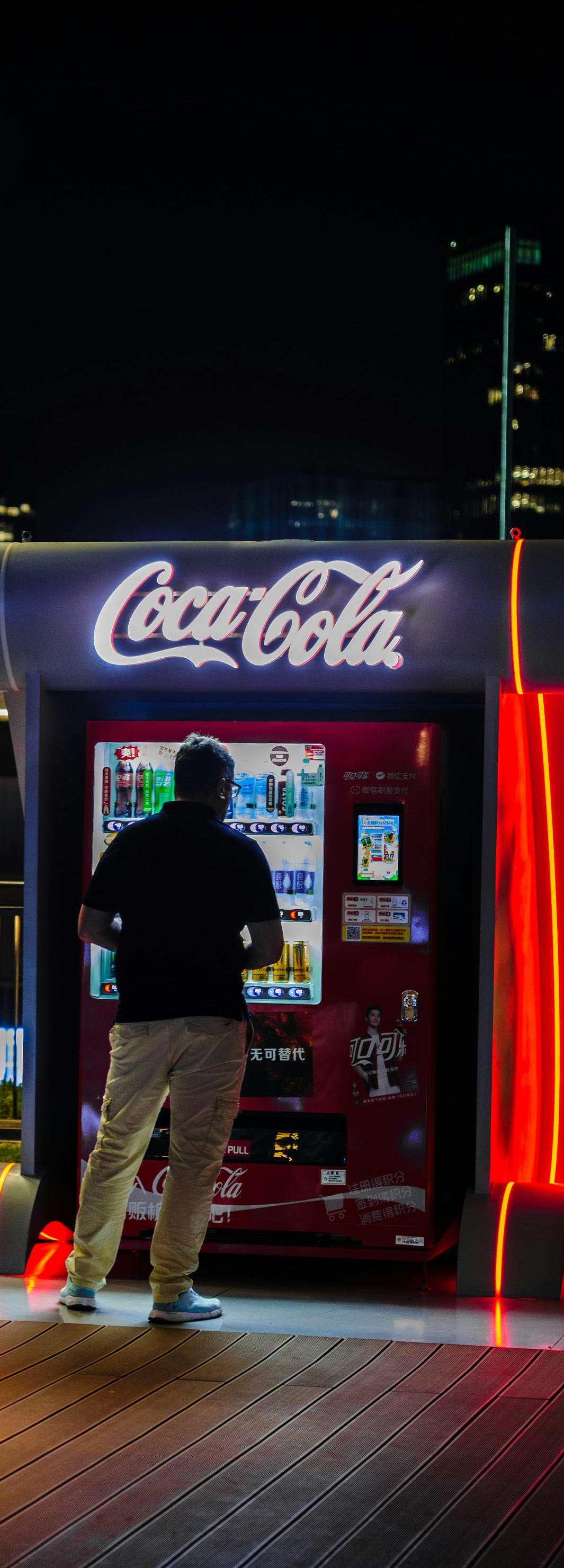
Person using a Coca-Cola vending machine at night, lit by red neon glow in an outdoor setting
Person standing by a brightly lit vending machine in a dim hallway.
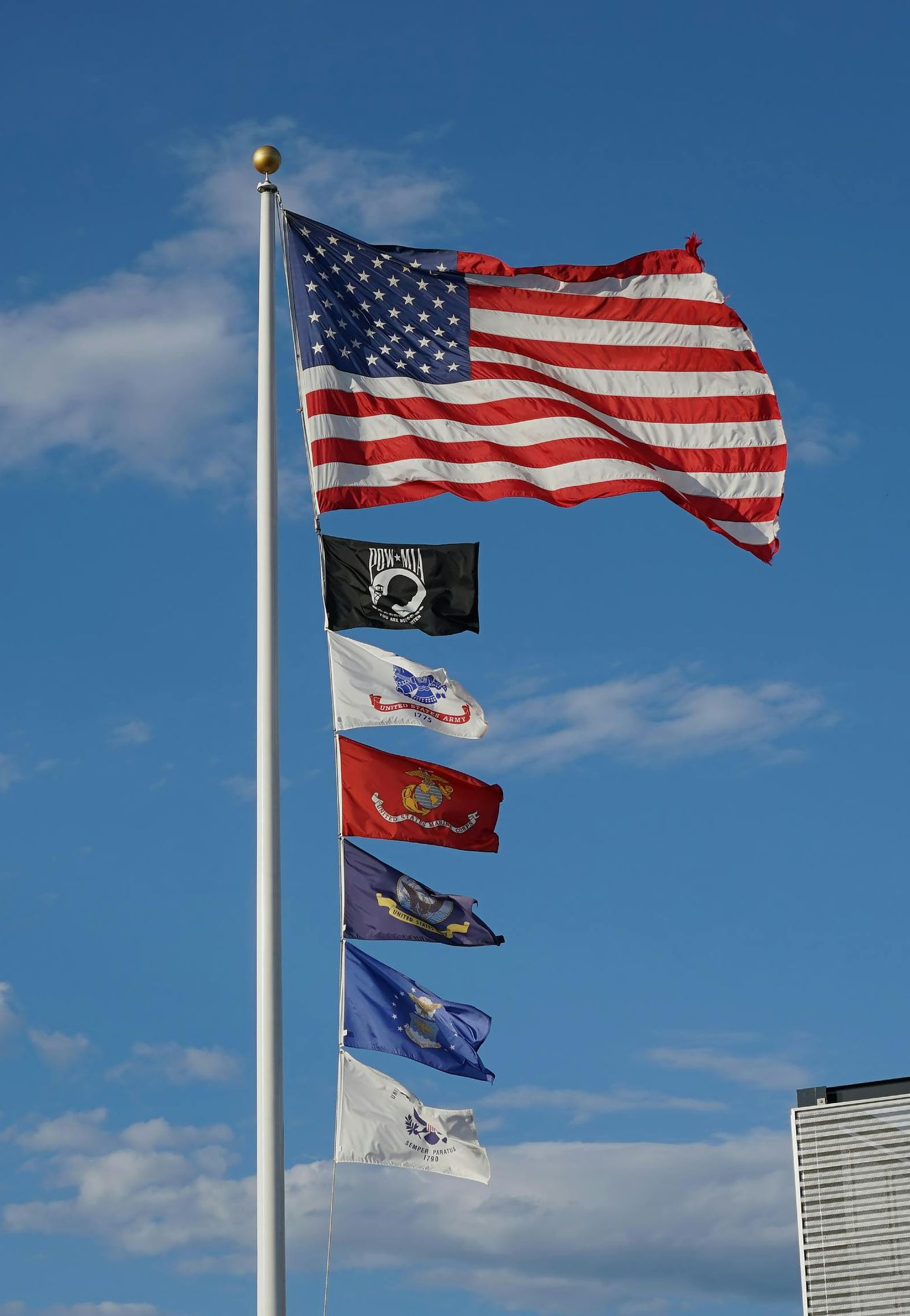
U.S. flag above a row of smaller flags waving against a blue sky
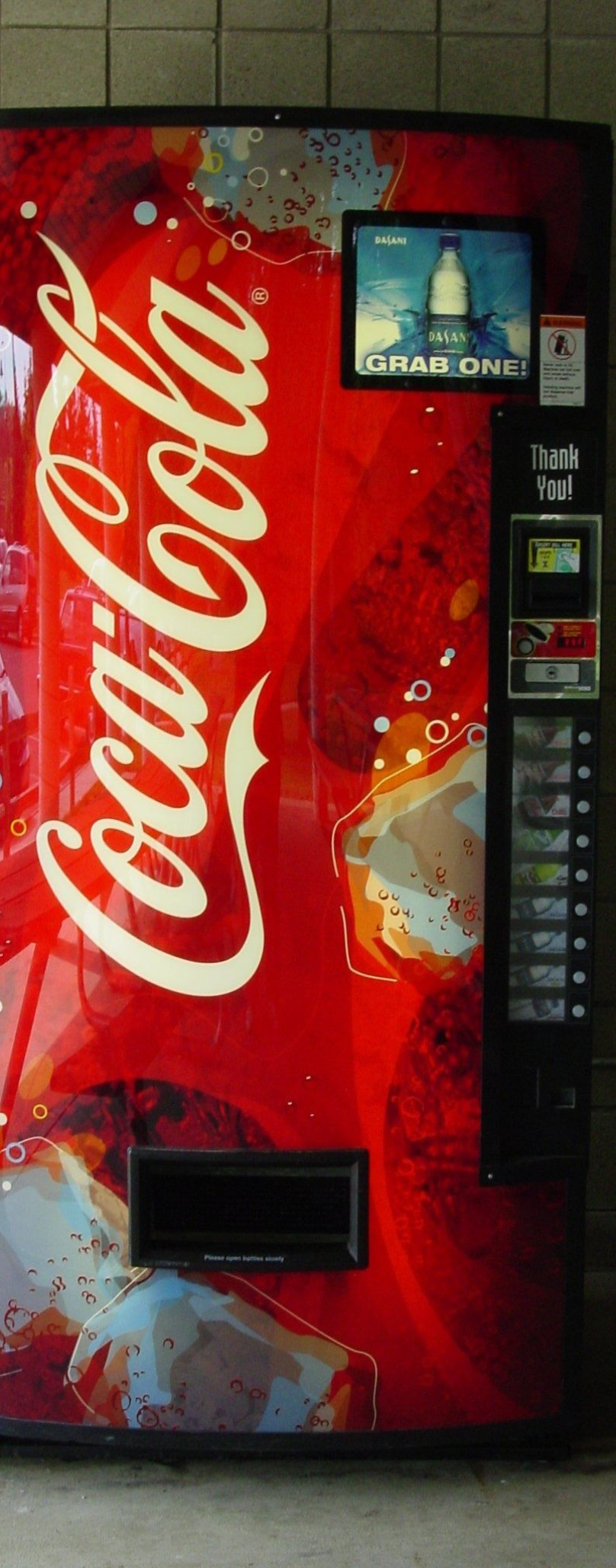
Coca-Cola vending machine with red logo and product display in an indoor hallway
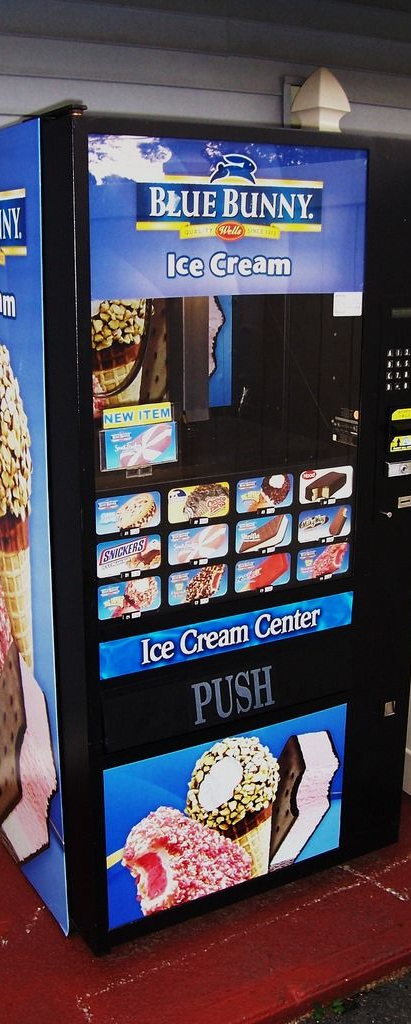
Blue Bunny ice cream vending machine with product images and a push button in a store.
July 9, 2026
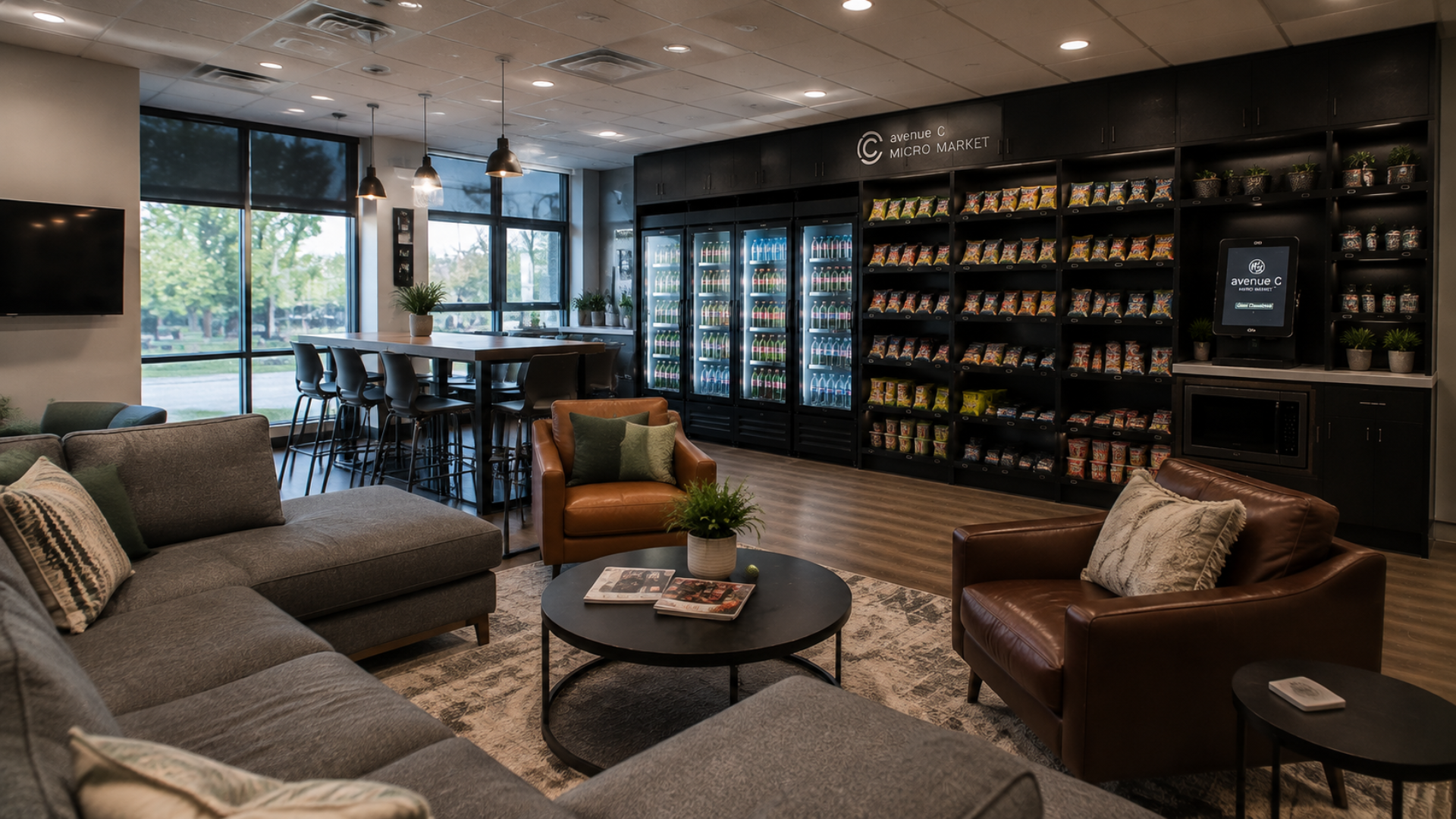
As workplaces continue to evolve, so do employee expectations. Today’s workforce values convenience, flexibility, and access to quality food and beverages throughout the day. For many organizations, traditional vending machines remain an important amenity, but micro markets have become an increasingly popular solution for businesses looking to provide greater variety and an enhanced breakroom experience. A successful workplace micro market is about much more than stocking shelves with snacks. The best micro markets are thoughtfully designed to meet the unique needs of a company’s employees while creating a convenient, welcoming space that encourages people to recharge during the workday. It Starts With Understanding Your Workforce Every workplace is different . A manufacturing facility operating multiple shifts has different needs than a corporate office, healthcare facility, warehouse, or distribution center. The number of employees, work schedules, available break times, and employee preferences all influence which products and services will be most successful. Before installing a micro market, it is important to evaluate how employees use the breakroom and what types of food, beverages, and convenience items they are most likely to purchase.  A customized approach often delivers better results than a one-size-fits-all solution.
July 3, 2026
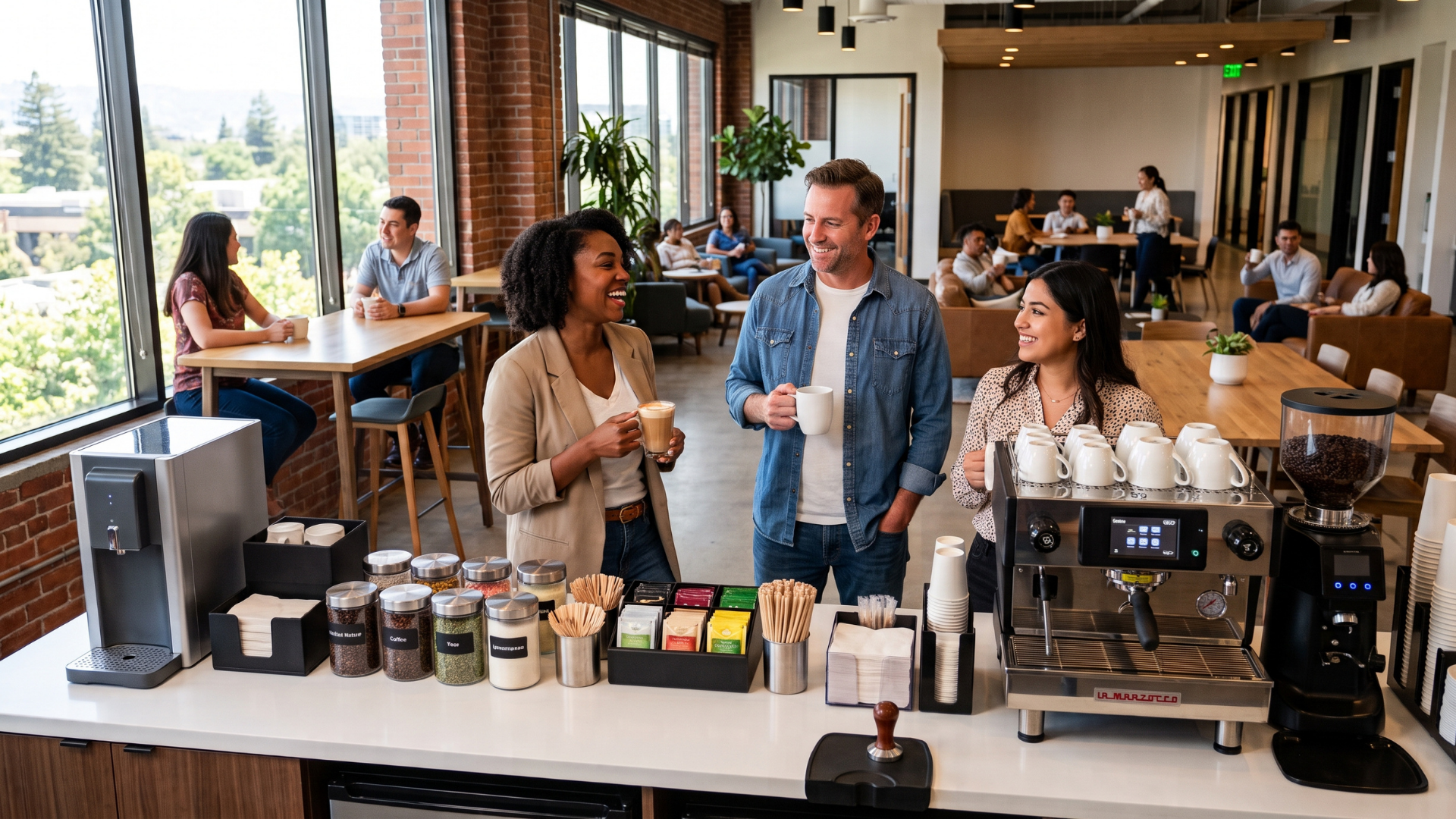
Workplace trends have changed dramatically over the past decade. Flexible schedules, hybrid work arrangements, collaborative office spaces, and employee wellness initiatives have all reshaped how organizations think about the workplace experience. Yet through all of these changes, one employee perk has remained consistently popular: great coffee. For many employees, a quality office coffee program is more than just a source of caffeine. It is part of the daily routine, a reason to gather with coworkers, and a small convenience that helps make the workday more enjoyable. While it may seem like a modest investment, providing premium coffee can contribute to a more welcoming and employee-focused workplace. Coffee Is Part of the Daily Routine For millions of people, the workday begins with a cup of coffee . Whether employees enjoy a bold roast, a flavored blend, espresso, or a specialty beverage, coffee has become an established part of many morning routines. Having access to quality coffee in the workplace allows employees to start their day without making an extra stop before arriving at the office. This convenience saves time while helping employees settle into their workday more quickly. A reliable coffee program supports consistency, which many employees appreciate.
June 26, 2026
Workplace culture is often associated with leadership, communication, company values, and employee engagement. While those factors certainly play important roles, culture is also shaped by everyday experiences . Small interactions, daily routines, and shared spaces contribute significantly to how employees feel about their workplace. One area that is frequently overlooked is access to food and beverages. Vending services, micro markets, office coffee programs, and pantry services may seem like simple conveniences, but they can have a meaningful impact on workplace culture. By making the workday more comfortable and convenient, these programs help create an environment where employees feel supported and valued. Culture Is Built Through Daily Experiences Workplace culture does not develop through occasional events alone .  Employees form impressions of their work environment every day through their interactions with colleagues, supervisors, and the physical workplace itself. The small details often matter more than organizations realize. Simple conveniences such as easy access to snacks, beverages, coffee, and fresh food options can influence how employees experience their workday. When basic needs are easy to meet, employees can spend less time worrying about logistics and more time focusing on their responsibilities. These seemingly minor improvements often contribute to a more positive workplace atmosphere .
June 18, 2026
When businesses evaluate workplace improvements, breakrooms are not always at the top of the list. Many organizations naturally focus on technology, equipment, office layouts, and other operational priorities. While those investments are important, the breakroom often plays a larger role in the employee experience than many employers realize.  A well-designed breakroom is more than a place to grab a snack or a cup of coffee. It can influence workplace satisfaction, support employee engagement, encourage collaboration, and contribute to a more positive work environment. As a result, investments in workplace refreshment programs frequently produce benefits that extend far beyond food and beverages. Employees Notice Everyday Conveniences Many workplace amenities are appreciated occasionally. Breakrooms, however, tend to be used every day. Employees notice whether they have convenient access to snacks, beverages, coffee, and fresh food options. They notice whether the space is comfortable, welcoming, and easy to use. These daily interactions shape their overall impression of the workplace. Because breakrooms are part of the everyday employee experience , improvements in this area often have a broader impact than employers initially expect.
June 10, 2026
Workplace trends have changed dramatically over the years. Offices have adopted new technologies, embraced flexible work arrangements, and redesigned spaces to support collaboration and productivity. Yet one workplace tradition has remained remarkably consistent throughout these changes: coffee.  For many employees, the workday begins with a cup of coffee. For others, coffee provides an opportunity to take a short break, connect with coworkers, or recharge during a busy afternoon. While countless workplace amenities have come and gone, coffee continues to occupy a central role in offices across the country. There is a reason coffee remains one of the most valued features of a workplace breakroom. Coffee Is Part of the Daily Routine Many employees incorporate coffee into their morning routine long before they arrive at work. Once in the office, convenient access to coffee helps maintain that routine without requiring employees to leave the building or make additional stops during the day. Because coffee is already part of daily life for so many people, offering it in the workplace creates a natural benefit that employees use and appreciate on a regular basis. Unlike some workplace perks that may only be used occasionally, coffee tends to be woven directly into the workday.
June 5, 2026
The modern workplace looks much different than it did a decade ago. Employee expectations have evolved, workplace amenities have expanded, and businesses are placing greater emphasis on creating environments that support productivity, satisfaction, and convenience. One of the most significant developments in workplace refreshment services has been the rise of the micro market .  While traditional vending machines remain valuable in many settings, micro markets offer a different approach that gives employees more choices and greater flexibility throughout the workday. As a result, businesses across a wide range of industries are incorporating micro markets into their workplace environments.
May 21, 2026
Modern vending services have changed significantly over the past several years. Vending machines are no longer simple standalone units stocked manually on fixed schedules. Today’s systems increasingly rely on smart technology that helps improve product availability, service efficiency, and overall user experience. One of the most important advancements in modern vending management is real-time inventory tracking. At Creative Vending Solution, we use modern vending technology to help businesses provide more reliable and efficient convenience services for employees, visitors, and customers. Real-time inventory monitoring plays a major role in that process. What Is Real-Time Inventory Tracking? Real-time inventory tracking allows vending operators to monitor product levels inside machines remotely through connected software systems. Instead of relying only on scheduled physical inspections, operators can view inventory status digitally and respond more quickly when products begin running low. These systems often track: Product quantities Purchasing patterns High-demand items Machine activity Restocking needs  This information helps vending providers make faster and more accurate service decisions.
May 15, 2026
Cashless payment has become a normal part of everyday life. People use cards, mobile wallets, and contactless payment systems for everything from groceries to coffee purchases. As these habits have become more common, expectations inside the workplace have changed as well. Employees increasingly expect the same level of convenience at work that they experience everywhere else. This shift is especially noticeable in breakrooms and vending areas, where traditional cash-only systems no longer align with how most people prefer to make purchases. At Creative Vending Solution, we see firsthand how cashless technology has changed employee expectations and improved the overall workplace experience. Everyday Habits Influence Workplace Expectations Modern consumers rarely carry large amounts of cash. Many people rely almost entirely on debit cards, credit cards, and mobile payment apps throughout the day. Because these payment methods have become routine outside the workplace, employees naturally expect similar convenience inside the workplace as well. When vending machines only accept cash, the experience immediately feels outdated and less accessible. Employees may skip purchases simply because they do not have cash available at the moment. Cashless systems remove that barrier and make workplace convenience services easier to use consistently.
May 6, 2026
Providing food and beverage access in the workplace may seem straightforward at first. Many businesses begin with the idea of managing vending or breakroom supplies internally, assuming it offers more control or flexibility. Over time, however, the realities of day-to-day management often reveal a different picture. Maintaining a consistent, reliable vending setup requires more time, coordination, and oversight than most organizations anticipate. For many workplaces, outsourcing vending services becomes the more practical and efficient solution. The Complexity Behind a Simple Service At a glance, vending appears simple. Machines are installed, stocked, and used by employees as needed. In practice, each of these steps involves ongoing attention. Products must be selected, inventory must be tracked , machines must be maintained, and issues must be addressed quickly. When handled internally, these responsibilities often fall to staff who already have other primary roles. This can lead to inconsistencies, delays, and added pressure on internal resources. What begins as a small task can gradually expand into a time-consuming responsibility.
April 29, 2026
Workplace expectations have shifted in recent years, and convenience now plays a larger role in how employees interact with their environment. One of the most noticeable changes has taken place in vending. Traditional machines that relied solely on cash are being replaced by modern systems that support digital payments. This shift toward cashless vending is not just a technological upgrade. It is a practical response to how people prefer to make purchases today. For businesses, this change represents an opportunity to improve accessibility, efficiency, and overall employee experience without adding complexity to daily operations. The Decline of Cash in Everyday Transactions Cash is no longer the primary method of payment for many people . Credit cards, debit cards, and mobile payment options have become the standard in most environments. In the workplace, this shift is even more pronounced. Employees may not carry cash at all , which creates a barrier when vending machines require it. Cashless vending removes that barrier. By allowing users to pay with cards or mobile devices, machines become accessible to a wider range of people. This simple change can significantly increase usage and make vending a more practical amenity.